

Man, this camera is old. Really, really old. But I have to tell you, the Pentax Q10 still has a charm that many newer cameras have lost. In good light, I can still enjoy the pictures it produces. Autofocus, though? That part reminds me just how far camera technology has moved on.
The Q10 wasn’t the first mirrorless camera, but it came from an era when manufacturers were experimenting with what a truly small interchangeable-lens camera could be. With the little prime lens attached, I could slip it into my front pocket and take it anywhere. That’s the part I miss most. I wish Pentax had kept developing the Q system.
Editor’s note: This is my own experience with the camera, not a laboratory image-quality comparison. You’ll find my original Pentax Q10 photographs and real-world sample images further down this review.
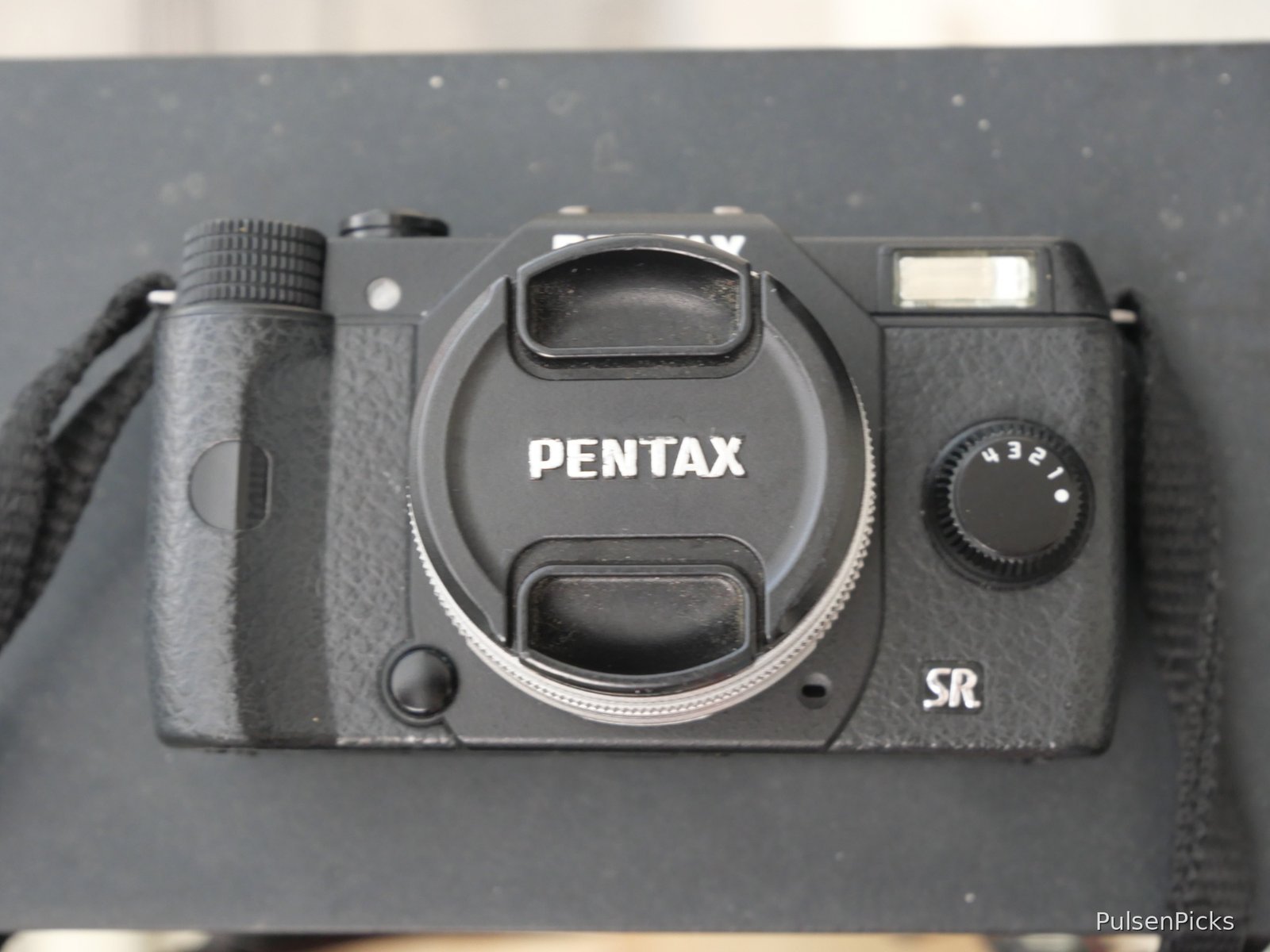
Taking the old Q10 on a commute to Binondo
I brought this old camera along on a commute to Binondo. And that’s when one of its best qualities hit me again: it doesn’t attract much attention. In the Philippines we call something that catches everyone’s eyes takaw-tingin. The Q10 is the opposite of that. It’s a beautiful little camera, but it’s subtle. It quietly says, “I’m here,” without shouting, “Look at me, I’m expensive.”
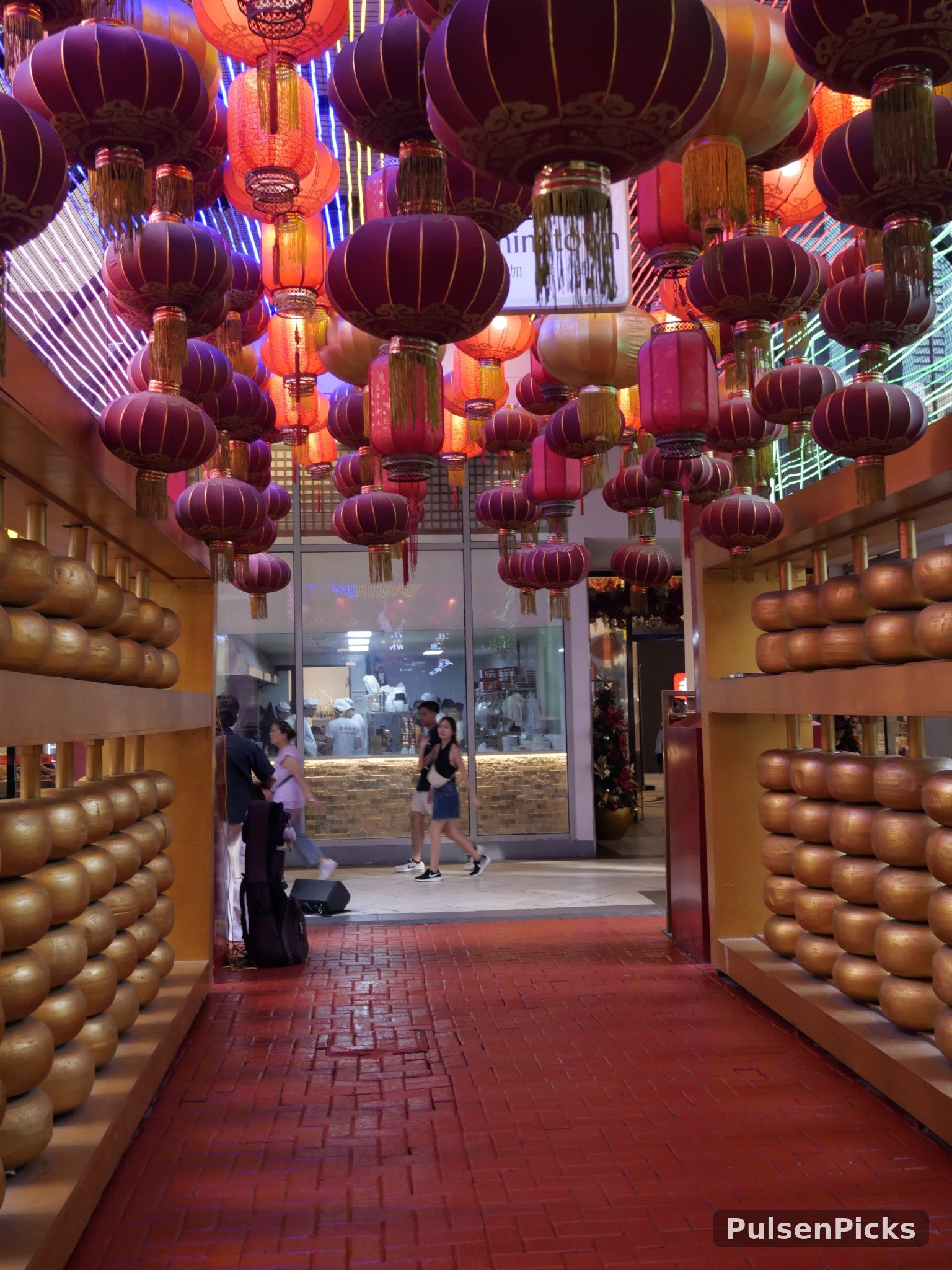
You could put it in your pocket. I’m talking about your front pocket, especially with the tiny prime lens attached. Try doing that with most of today’s interchangeable-lens cameras. On a commute, walking around Binondo, or taking quick photos of lanterns, market stalls, cats and everyday street life, that size makes a real difference. I can bring it along without feeling like I’m carrying a serious camera setup. It draws less attention than a big body and lens, although of course no camera is immune to theft or damage.
Is it fast? No. Is it great by modern standards? Nah. Is it good enough to give plenty of point-and-shoot cameras a run for their money? Yes. And for me, that’s part of its charm.
Why the Pentax Q10 still appeals to me
Most modern cameras are more capable, but that doesn’t automatically make them more enjoyable. A camera that stays at home because it’s bulky is less useful than one you actually carry. The Q10 was genuinely pocketable, especially with a small prime attached, yet it still allowed you to change lenses and control exposure yourself.
The controls, interchangeable lenses and the simple pleasure of shooting made it feel like a real camera rather than just another compact point-and-shoot. Today I still appreciate that approach.
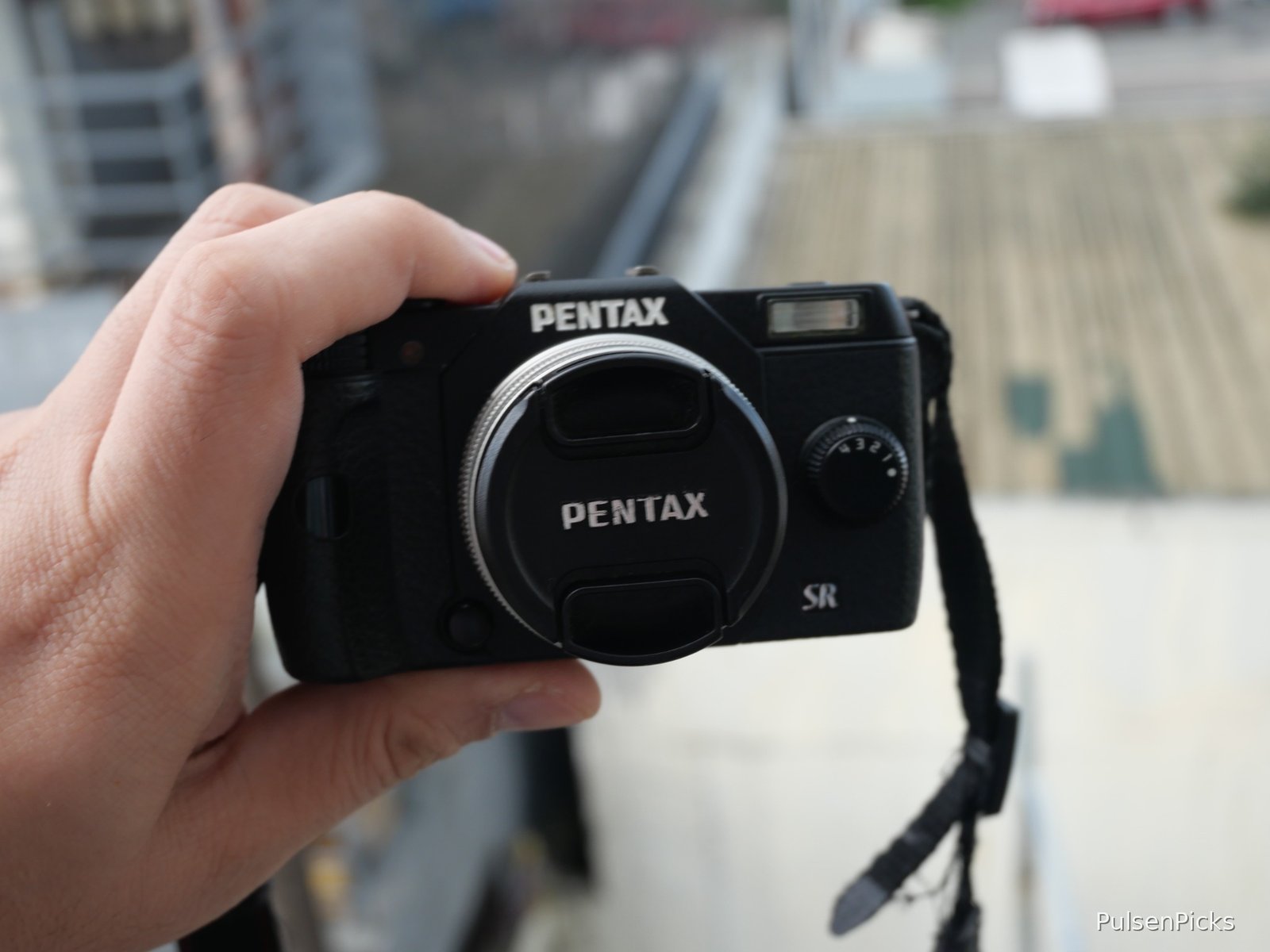
I miss when cameras were built like this
I miss this kind of camera-making. It wasn’t only about making the specifications bigger and better. It was also about the art of fitting as much as possible into something surprisingly small—and making the result enjoyable to use. The Pentax Q10 is a tiny camera with a real lens mount, proper controls and more creative tools than its size would suggest.
It’s almost a jack of all trades, master of none. There are better cameras for nearly every individual job today. But put everything it can do into this ridiculously small body, and it starts to make sense. You get an interchangeable-lens camera that feels like a miniature DSLR, rather than a chunky device pretending to be compact.
What the Q10 can actually do
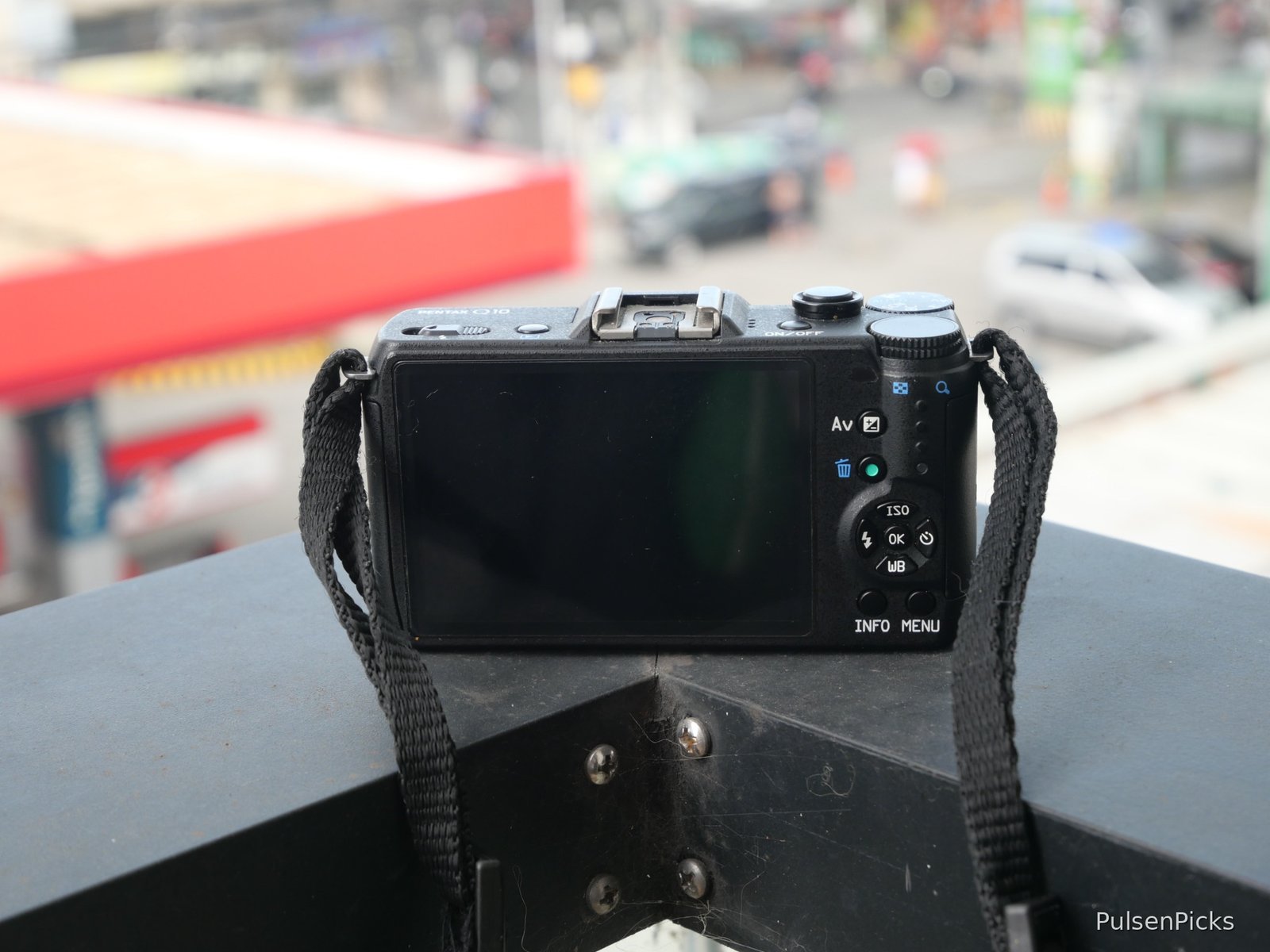
- Change lenses: Its Pentax Q mount supports tiny prime and zoom lenses, with an optional adapter for certain Pentax K-mount lenses.
- Take manual control: Program, aperture priority, shutter priority and full manual exposure modes.
- Shoot RAW: 12.4-megapixel photos in DNG RAW as well as JPEG, including RAW+JPEG capture.
- Stabilize shots: Sensor-shift Shake Reduction to help with handheld stills.
- Play with the look: A front quick dial for assigned Smart Effects, plus Monochrome, Bleach Bypass, Cross Processing and other custom-image looks and filters.
- Try creative techniques: In-camera HDR, multi-exposure, interval shooting and a simulated blur/bokeh-control mode.
- Record video: Full HD 1080p recording, with limitations compared with modern hybrid cameras.
- Use traditional camera features: A built-in pop-up flash, hot shoe and approximately 5 fps burst shooting for short sequences.
That’s a lot for a camera you can carry so casually. None of these features individually makes it a modern powerhouse. Together, they explain why the Q10 was such an interesting little piece of engineering. You can read more in the official Pentax Q10 announcement and Ricoh’s Q10 feature guide.
The tiny prime lens was a big part of the experience
The Pentax 01 Standard Prime 8.5mm f/1.9 is the lens I associate with the camera’s best quality: portability. On the Q10, it gives roughly a 47mm full-frame-equivalent view, a natural perspective for daily photography. Its bright maximum aperture is useful, even though the Q10‘s small sensor can’t deliver the same shallow depth of field or low-light performance as a much larger sensor.
That little combination is why I remember the camera so fondly. It was easy to bring along without planning an entire camera bag around it.
Image quality: still enjoyable, with realistic expectations
The Q10 has a 12.4-megapixel, 1/2.3-inch CMOS sensor. In daylight, with steady hands and sensible settings, it can still produce pleasing photographs. I don’t mean that it beats a modern full-frame camera in dynamic range, detail or high-ISO noise. It doesn’t. I mean that an old camera can still make a photograph worth keeping.
Once the light starts disappearing, the limitations become much clearer. Noise reduction and the relatively small sensor leave less room to work with, especially if you like heavy cropping or difficult lighting.
Low light is tough—but I love its black and white
Low light is not this camera’s strength. Not even close. With its tiny 1/2.3-inch sensor, autofocus and noise performance, I’d expect most decent newer cameras—including many made after 2016—to give me cleaner, easier night photographs. Some of the Binondo night shots below show exactly where it struggles.
But here’s something I still enjoy: the Q10‘s black-and-white look. To my eyes, some of its monochrome photographs in low light have more character than what I’ve managed to get from my Panasonic G100. I like the mood, tones and the way the scene feels. That doesn’t mean the Q10 has better technical low-light performance than the G100. It doesn’t; I’m talking about my personal preference for the finished black-and-white image, not sensor measurements.
Pentax gave it a proper Monochrome custom-image option and creative effects, and that willingness to let people experiment is part of what makes the camera memorable to me.
Autofocus is where the age really shows
This is the Q10‘s biggest weakness for my style of shooting. Autofocus is slow by today’s standards and not something I’d choose for fast-moving subjects. If you’re used to a modern Sony or Panasonic body, the difference is enormous. You need more patience, more deliberate composition and sometimes a second attempt.
For still subjects and relaxed photography, that’s manageable. For unpredictable motion, pets running around or demanding video autofocus, I’d reach for something newer.
A few key Pentax Q10 specifications
- Year announced: 2012
- Sensor: 12.4MP, 1/2.3-inch CMOS
- Lens mount: Pentax Q
- Image stabilization: Sensor-shift Shake Reduction
- Files: JPEG and DNG RAW
- Screen: 3-inch LCD, approximately 460,000 dots
- Video: Full HD recording
- Weight: Approximately 180g body only, or 200g with battery and SD card
Technical specifications cross-checked against Ricoh Imaging’s official Pentax Q10 specifications.
What I like and what I don’t
Pros
- Genuinely pocket-sized with a small lens
- Interchangeable lenses in a wonderfully compact body
- Enjoyable daylight photographs and distinctive shooting experience
- RAW capture and sensor-shift stabilization
- A memorable little system for camera enthusiasts
Cons
- Autofocus badly trails today’s cameras
- Small sensor limits low-light image quality and editing latitude
- Not my choice for action or demanding video work
- The discontinued Q system can make lenses, batteries and accessories harder to source
My verdict: not the best camera today, but still a lovable one
I wouldn’t trade a modern workhorse for a Pentax Q10. That isn’t the point. The appeal is carrying an interchangeable-lens camera that barely takes up any room and still makes you want to go outside and photograph things.
Its autofocus belongs to another generation, and its sensor has real limits. But the charm, size and handling are why I still talk about it. I really do wish Pentax had kept the Q series going.
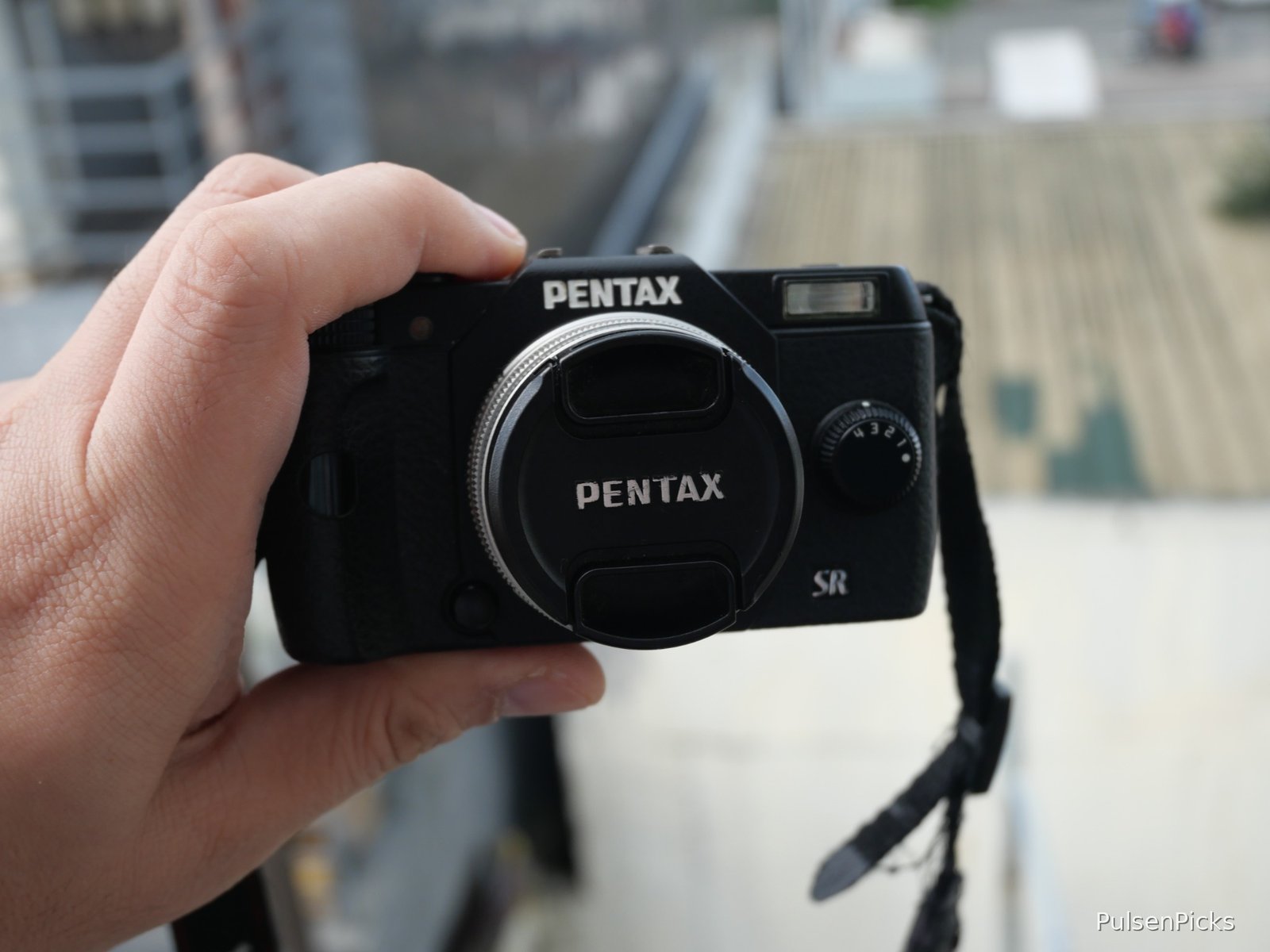
Pentax Q10 real-world sample photographs
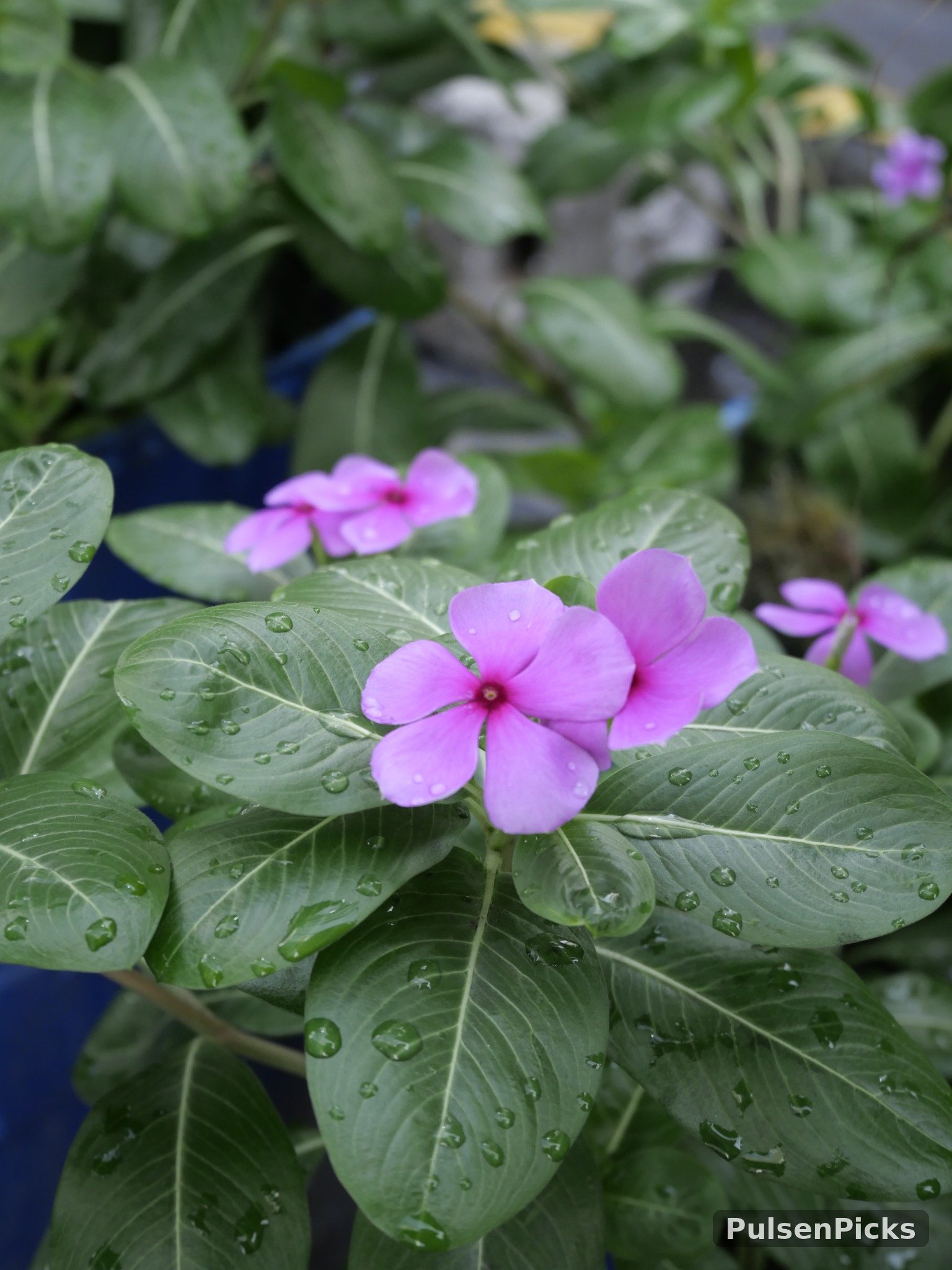
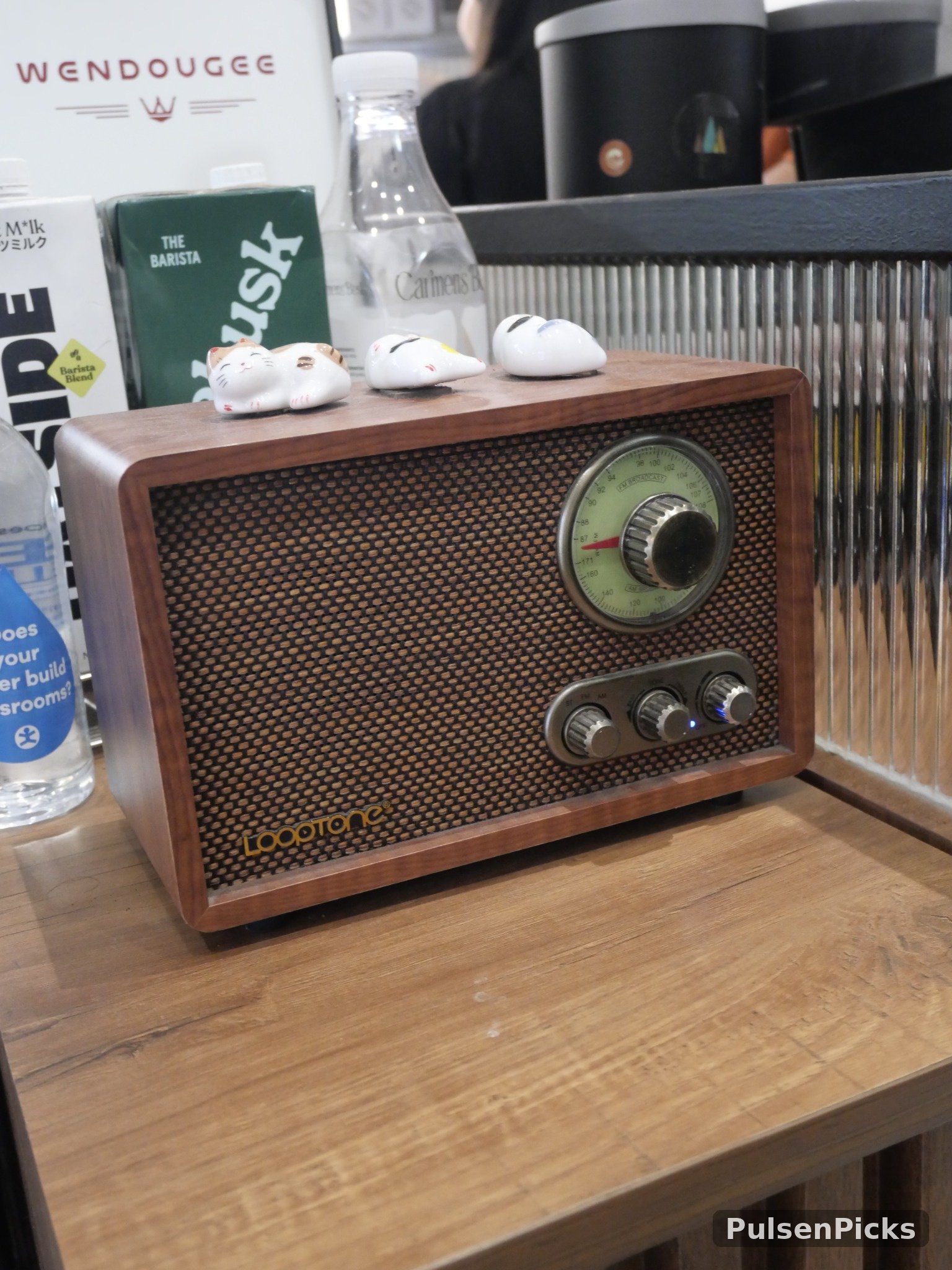
These are my own photographs from the Pentax Q10, preserved as camera samples with only a conventional PulsenPicks text watermark. I left the scenes and subjects unchanged. The mix includes low light, close-ups, animals and street photography; both the good results and the softness in some shots are worth seeing.
Night photography and color

Close-up detail
Animal portrait

Color and architecture
Everyday street photography

More photographs from the Pentax Q10





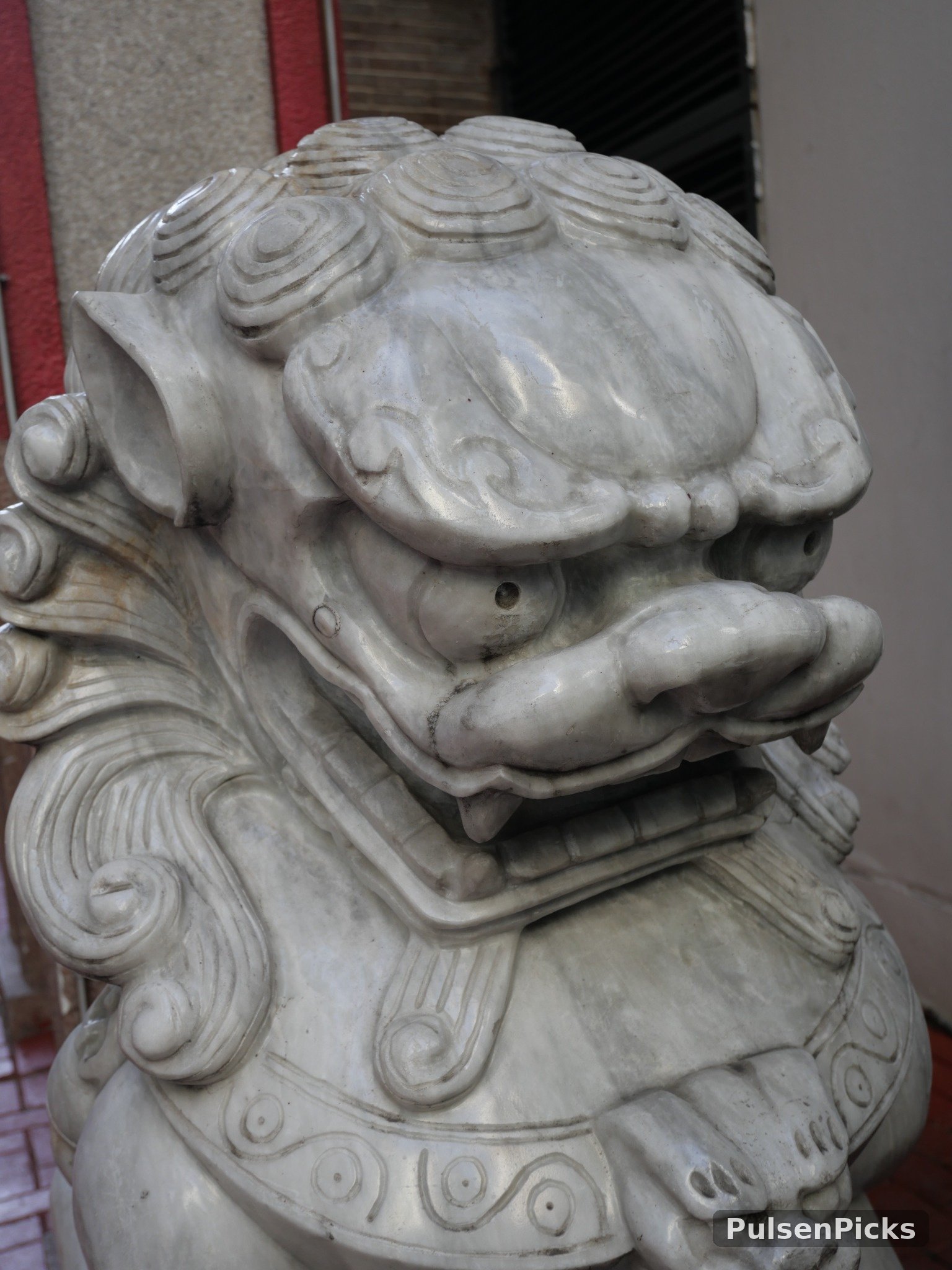


All 15 sample photographs and the camera-body images are originals, carrying PulsenPicks watermarks added with ordinary image-processing tools—not generative AI.
Buying an older Q10: things to check
Older Q-series cameras are mainly found second-hand now. If you’re looking for a Q10 or compatible accessories, compare the seller’s condition report, battery health and lens compatibility carefully.
Where to buy a Pentax Q10
The Q10 is an older, discontinued camera, so listings may be second-hand, imported, or accessories rather than a complete camera. Check the exact item, included lens, battery, condition, and seller before ordering.
Shop Pentax Q10 on Shopee Shop Pentax Q10 on Amazon
Affiliate disclosure: These Shopee and Amazon links are affiliate links. PulsenPicks may earn a commission from qualifying purchases at no extra cost to you. Stock, pricing and the specific items offered can change.