
Work Sharp Guided Field Sharpener — Pros and Cons
Pros
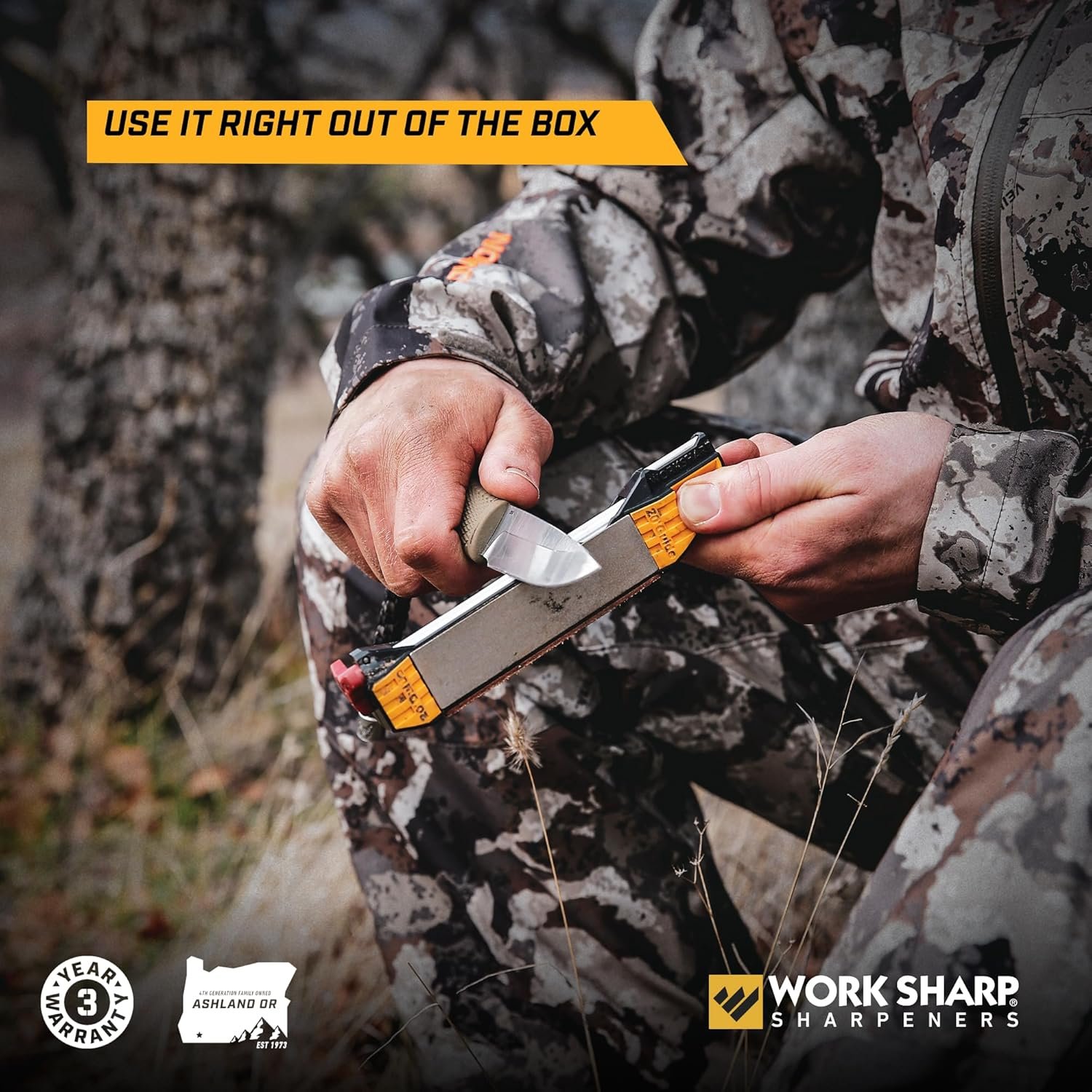
- Complete all-in-one system: Includes 220-grit and 600-grit diamond plates, a ceramic honing rod, serration rod and leather strop.
- Beginner-friendly angle guides: Built-in 20° and 25° guides make it easier to start each stroke consistently.
- Handles dull or damaged edges: The 220-grit diamond plate removes material quickly, while the finer stages refine and polish the edge.
- Works without oil or water: Convenient for outdoor use and less messy than traditional stones.
- Portable: Weighs about 4.6 oz and fits easily inside a backpack, toolbox or vehicle kit.
- Versatile: Can sharpen pocket knives, hunting knives, serrations, fishhooks, broadheads and small axes.
- Replaceable parts: The diamond plates and leather strop can be replaced instead of buying a completely new sharpener.
- Good value: You get several sharpening stages in one compact tool.
Cons
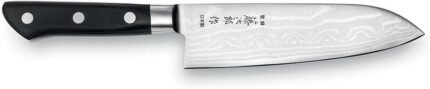
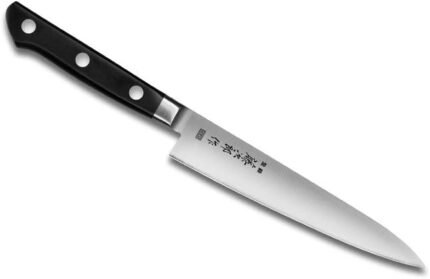
- Small working surface: Long kitchen knives take more strokes and can feel awkward compared with using a full-sized whetstone.
- Not completely foolproof: The guides only establish the starting angle—you must still keep the knife steady throughout the stroke.
- Limited angle choices: The fixed 20° and 25° guides are not ideal for Japanese kitchen knives sharpened around 12°–17° per side.
- Handle is rather small: There is not much to hold onto, especially for users with large hands. This was also the main criticism in one published field review.
- Coarse plate can remove too much steel: Heavy pressure on the 220-grit plate can scratch the blade or change the bevel quickly.
- Strop requires care: Cutting into the leather by using the wrong stroke direction can damage it.
- Better for practical edges than mirror-polished edges: Enthusiasts wanting exact angles and highly polished bevels may prefer a larger guided system or whetstones.
Verdict
Rating: 4.5/5


Reader reviews
No reader reviews yet. Our editorial rating is separate.