
October 31, 2026 | Manila South Cemetery, Makati, Philippines
There is something rather beautiful about how Filipinos remember their dead.
October 31 marks the beginning of the Undas visiting period, leading into All Saints’ Day on November 1 and All Souls’ Day on November 2.
For many Filipino Christians, especially Catholics, this is a time to visit the resting places of loved ones. Families bring flowers, light candles, offer prayers, and spend a little time with people who are no longer physically with them.
But Undas is not simply about mourning. It is about remembrance, reunion, and keeping the memories of loved ones alive.
At least once a year, families gather around a grave to share stories, laugh about the good old days, shed a few tears, and remember the person buried beneath the stone.
Some come to pray. Others come to talk, perhaps telling their dearly departed what has happened during the past year. There are children who never met the people they are visiting, learning about grandparents and relatives through stories told by their parents.
It is quite a beautiful tradition, really.
Photography note: I photographed this Undas visit using the Panasonic Lumix G100 paired with the Panasonic Lumix G 20mm f/1.7 lens. The camera setup photos appear below, alongside scenes of the Undas market, cemetery visitors, family memorials, pet graves, and the community animals I encountered.
A Fiesta for Those Who Have Passed Away
I visited Manila South Cemetery, which, despite being situated in Makati, actually belongs to the City of Manila.
And what an interesting spectacle it was.
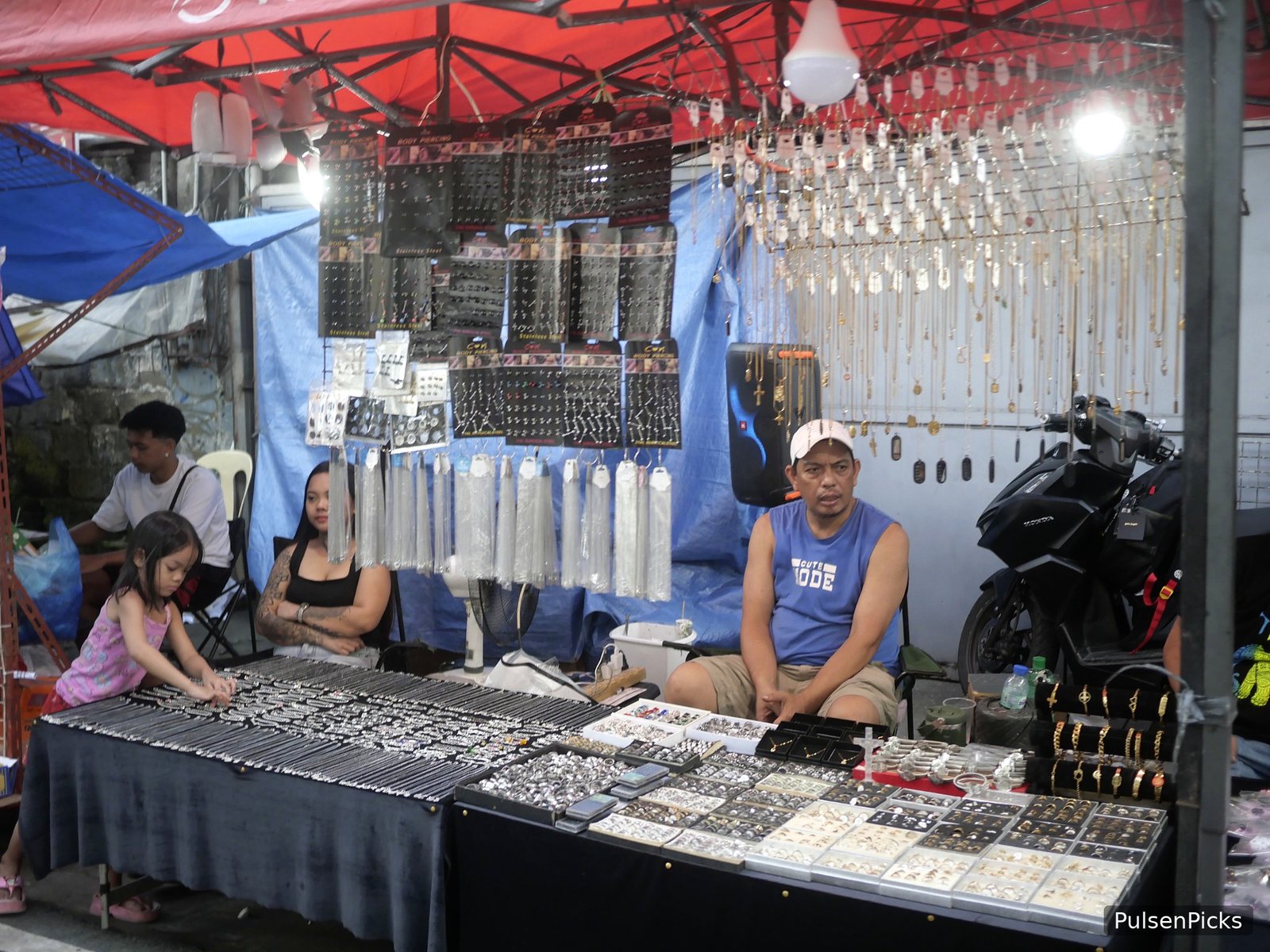
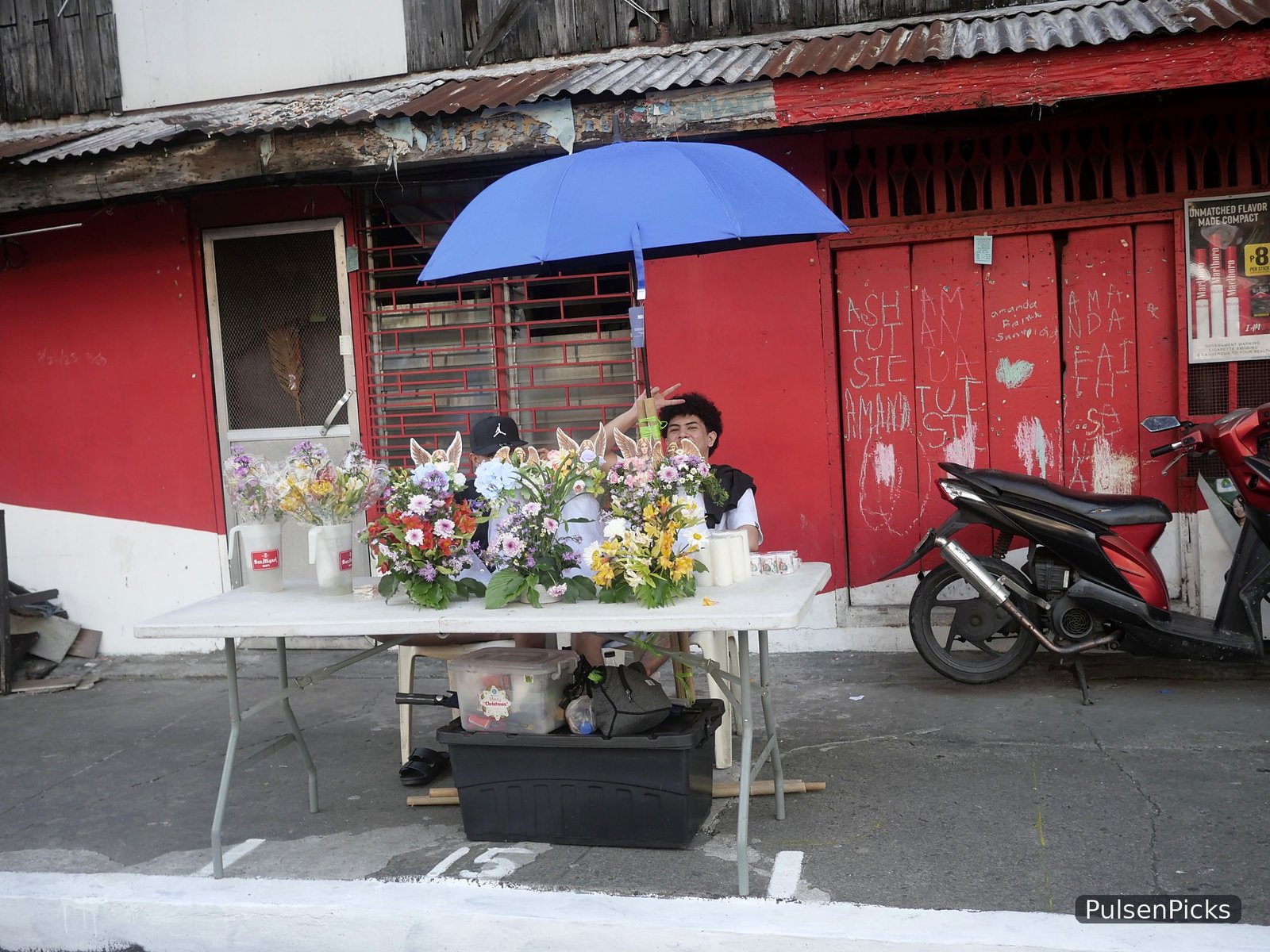
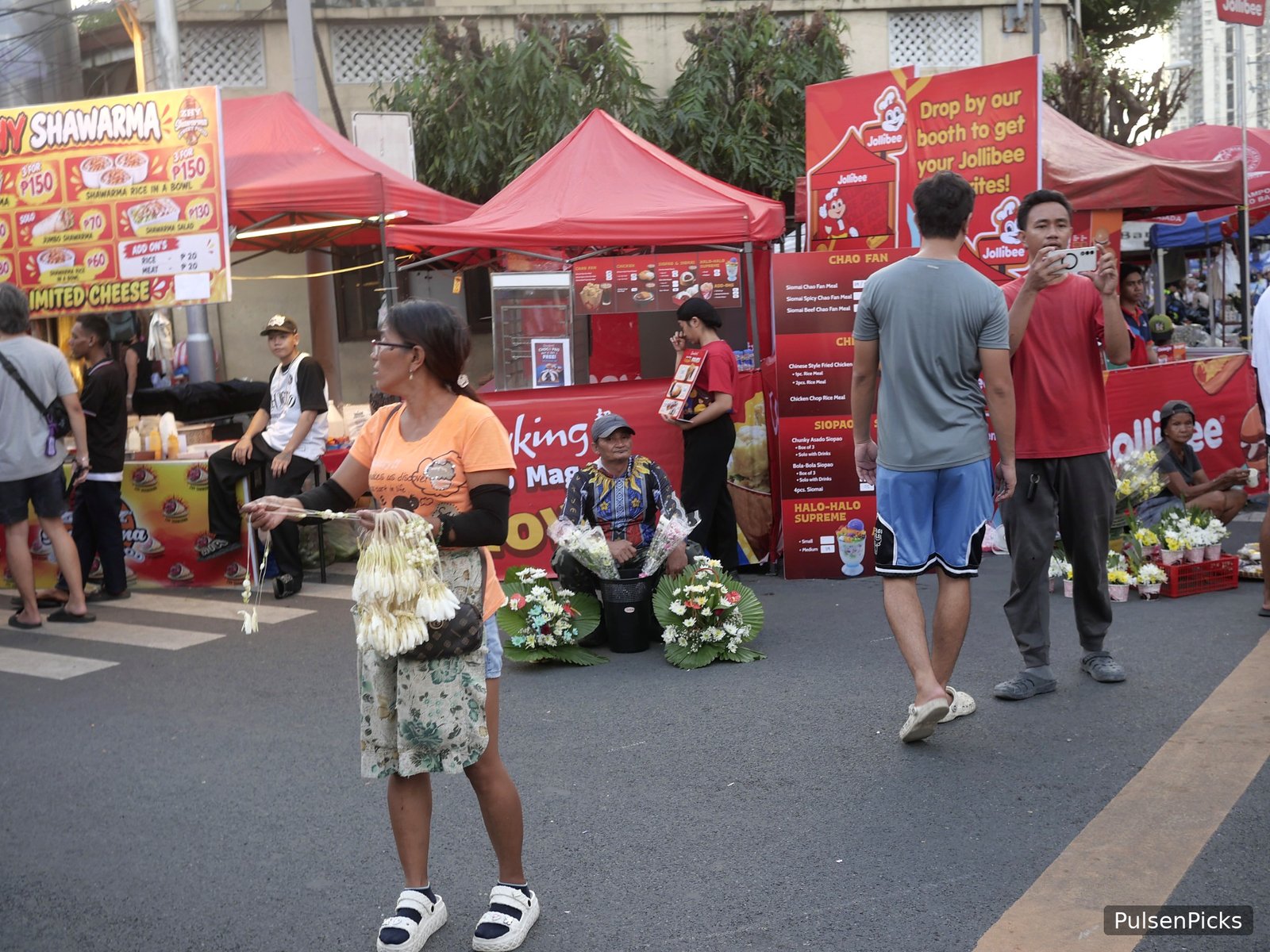
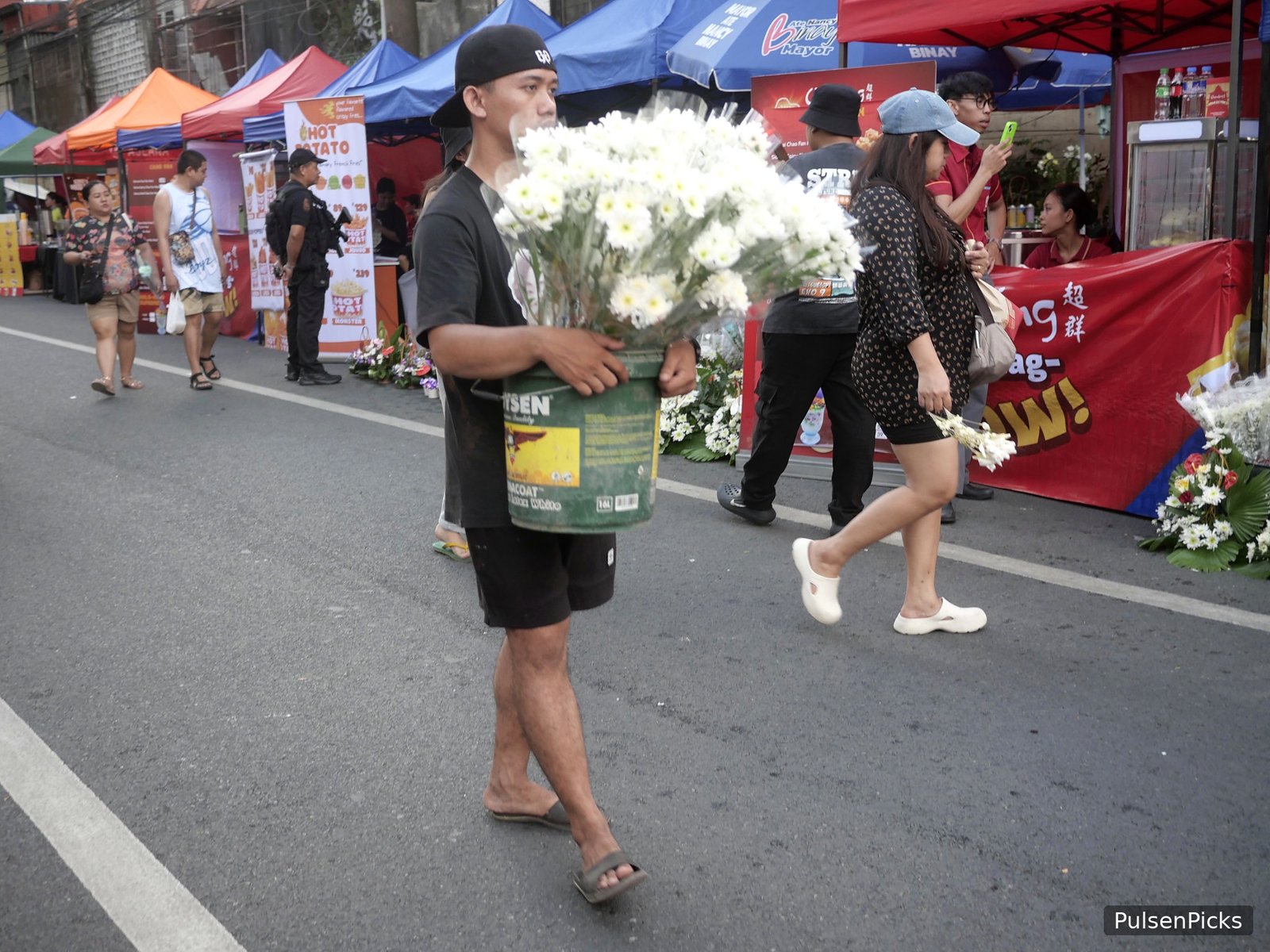
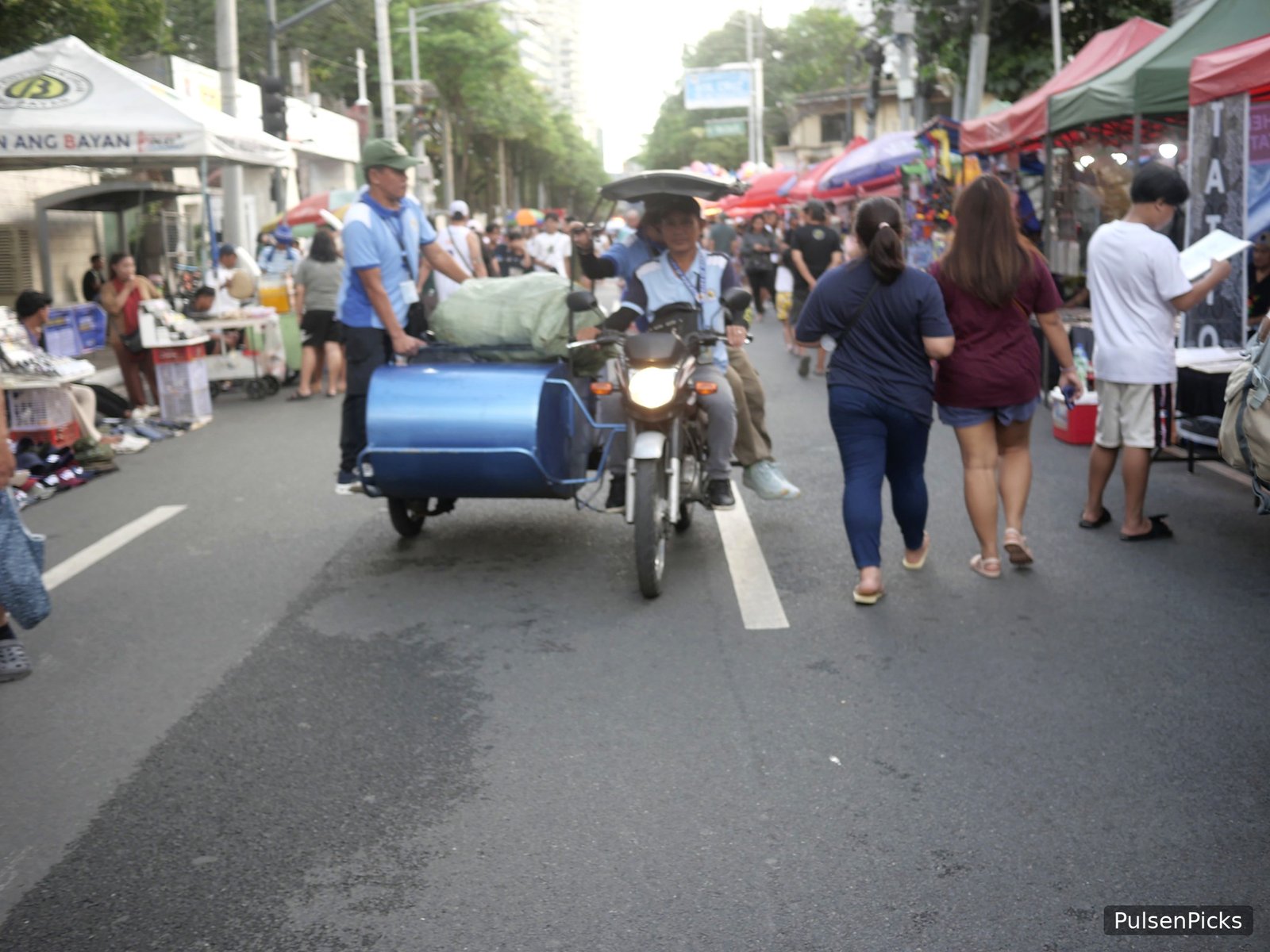
Outside the cemetery, the atmosphere reminded me more of a Filipino fiesta than a solemn occasion.
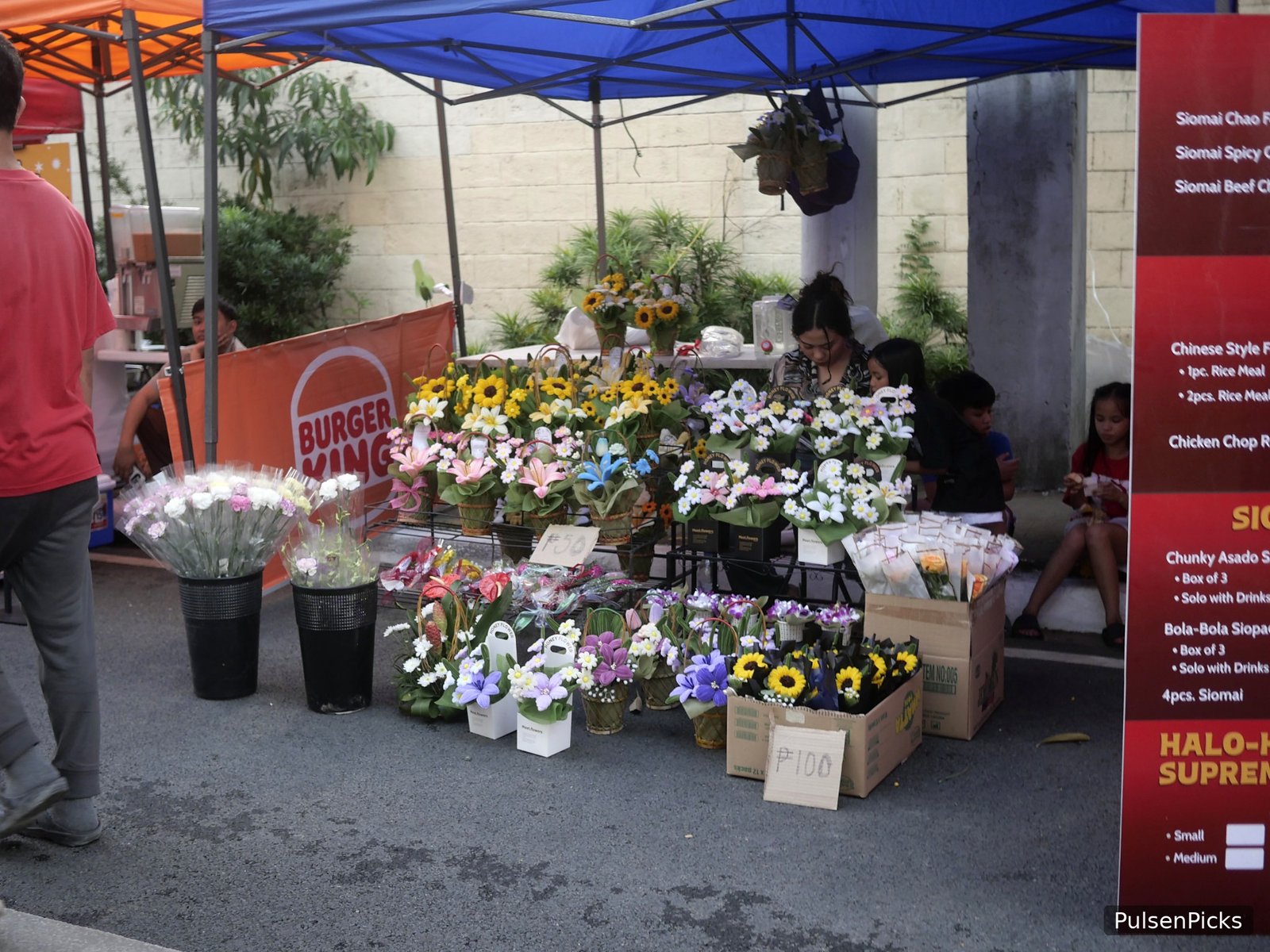
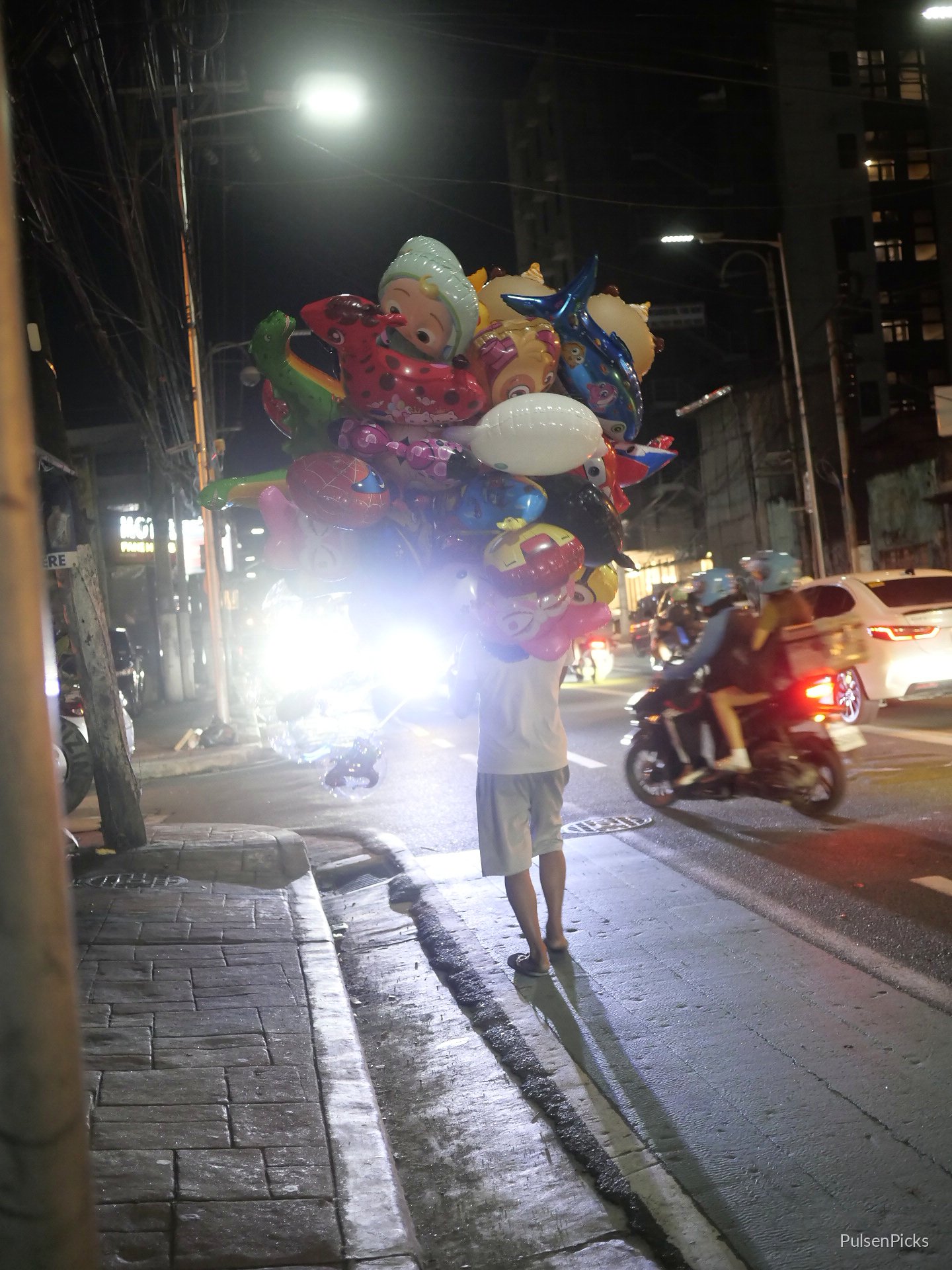
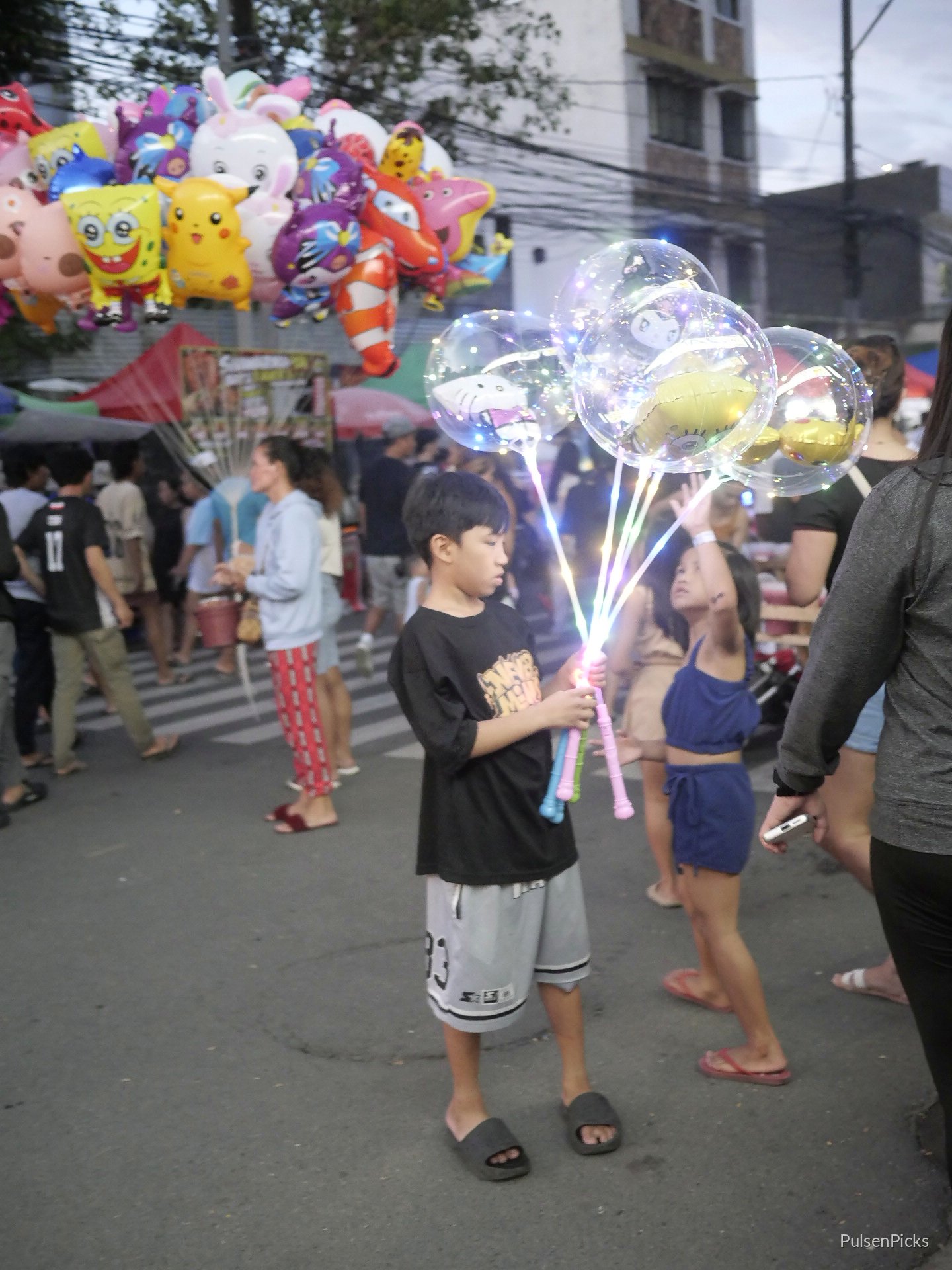
Food stalls were everywhere. There were vendors selling bedsheets, toys, little mementos, and even live chicks. People were walking around, browsing merchandise, buying something to eat, and going about their business.
My wife even tried something called magic water. Despite the rather mysterious name, it was simply clear water mixed with banana extract and sugar. She thought it tasted like the sweet sugar water someone might drink when their blood sugar drops too low. I actually liked it, though. Then again, those are my taste buds, not hers!
It was almost like the festivities surrounding a local patron saint’s feast day.
Except this time, the celebration wasn’t for a saint. It was for people who had once walked among us.
I found that contrast fascinating.
There was commerce, laughter, conversation, and the familiar liveliness of Filipino street life. Yet beyond all of it was a cemetery where thousands of families had come to remember their departed.
Some were happy. Some were grieving. Others were simply enjoying another opportunity to be together as a family.
I suppose that is one of the beautiful things about Undas. Death does not necessarily put an end to a person’s place in a family.
We continue to remember them, speak about them, and celebrate the lives they lived. A person may have been gone for decades, yet a single story can make everyone laugh as though that person were sitting right beside them.
Perhaps that is what makes Undas so special. It gives us a day not only to grieve what we have lost, but to cherish what we were fortunate enough to have.
Scenes outside Manila South Cemetery: from flowers and street food to small vendors and families passing through.




Remembering Our Four-Legged Companions, Too
There is another reason I visit Manila South Cemetery during Undas.
The cats.
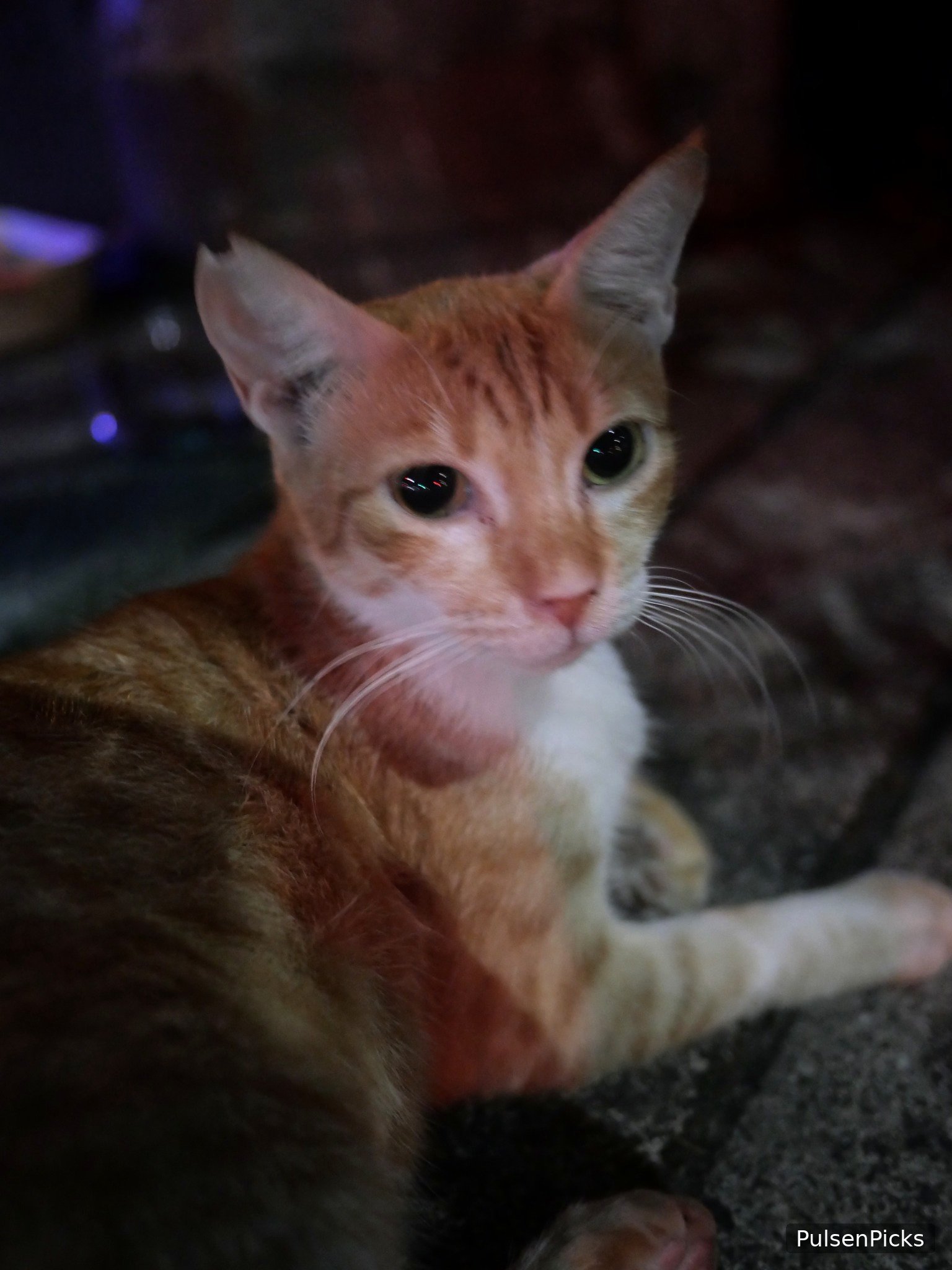
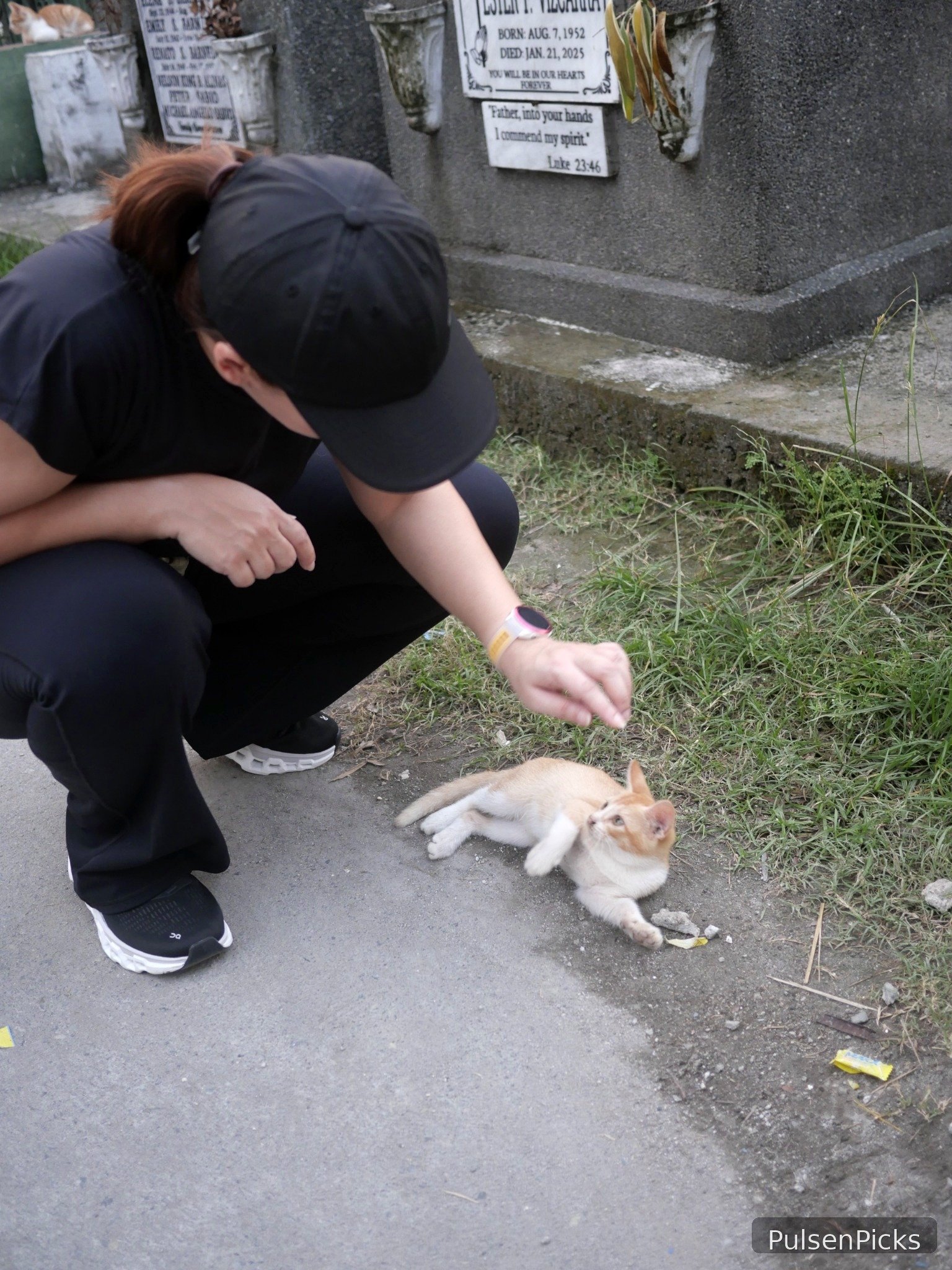
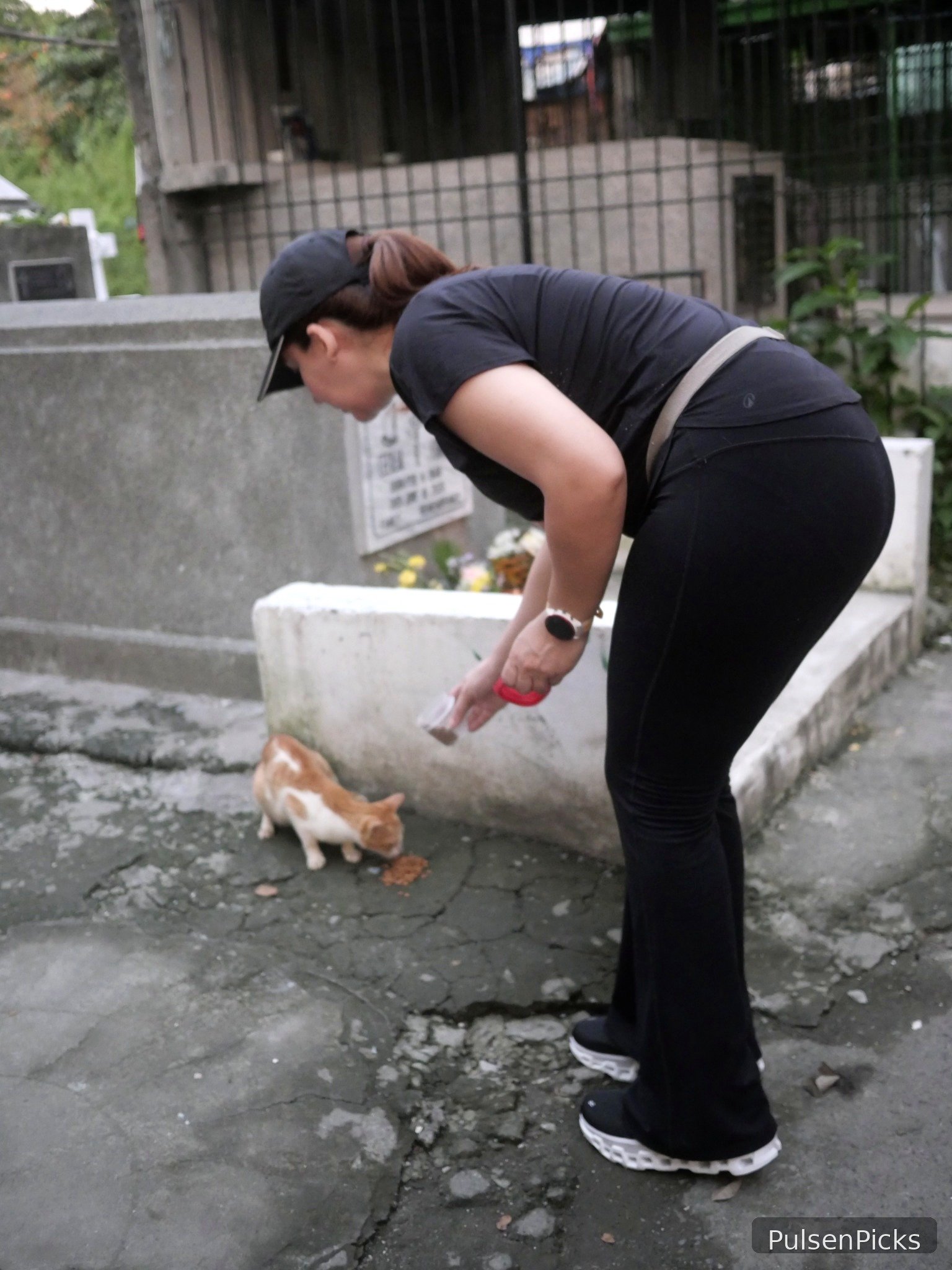
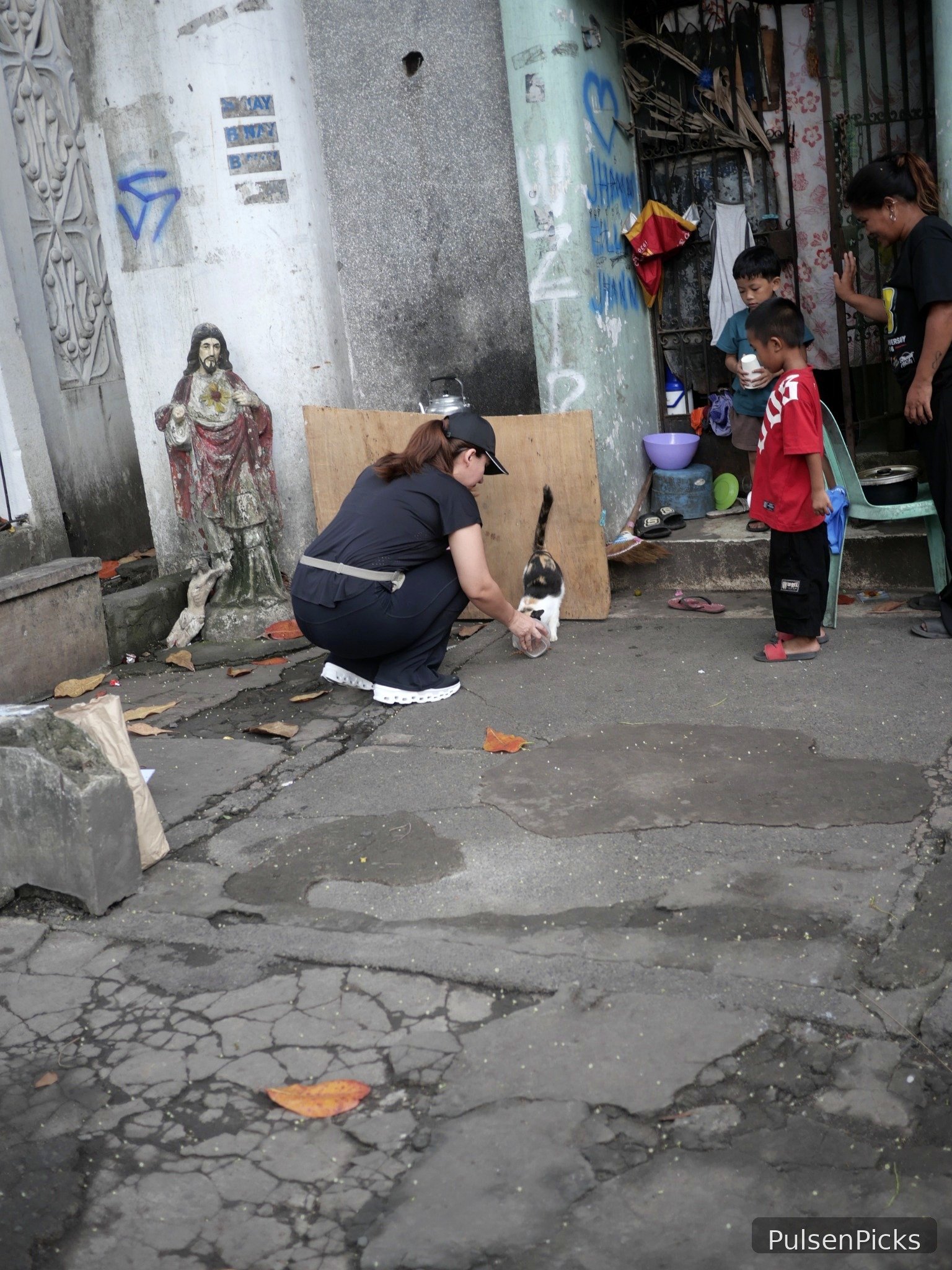
Whenever I come here during this time of year, I make it a point to go inside and feed the community cats living around the cemetery. It has become something of a personal tradition.
While thousands of people arrive to pay their respects to their departed loved ones, there are also little lives going about their everyday routines among the graves.
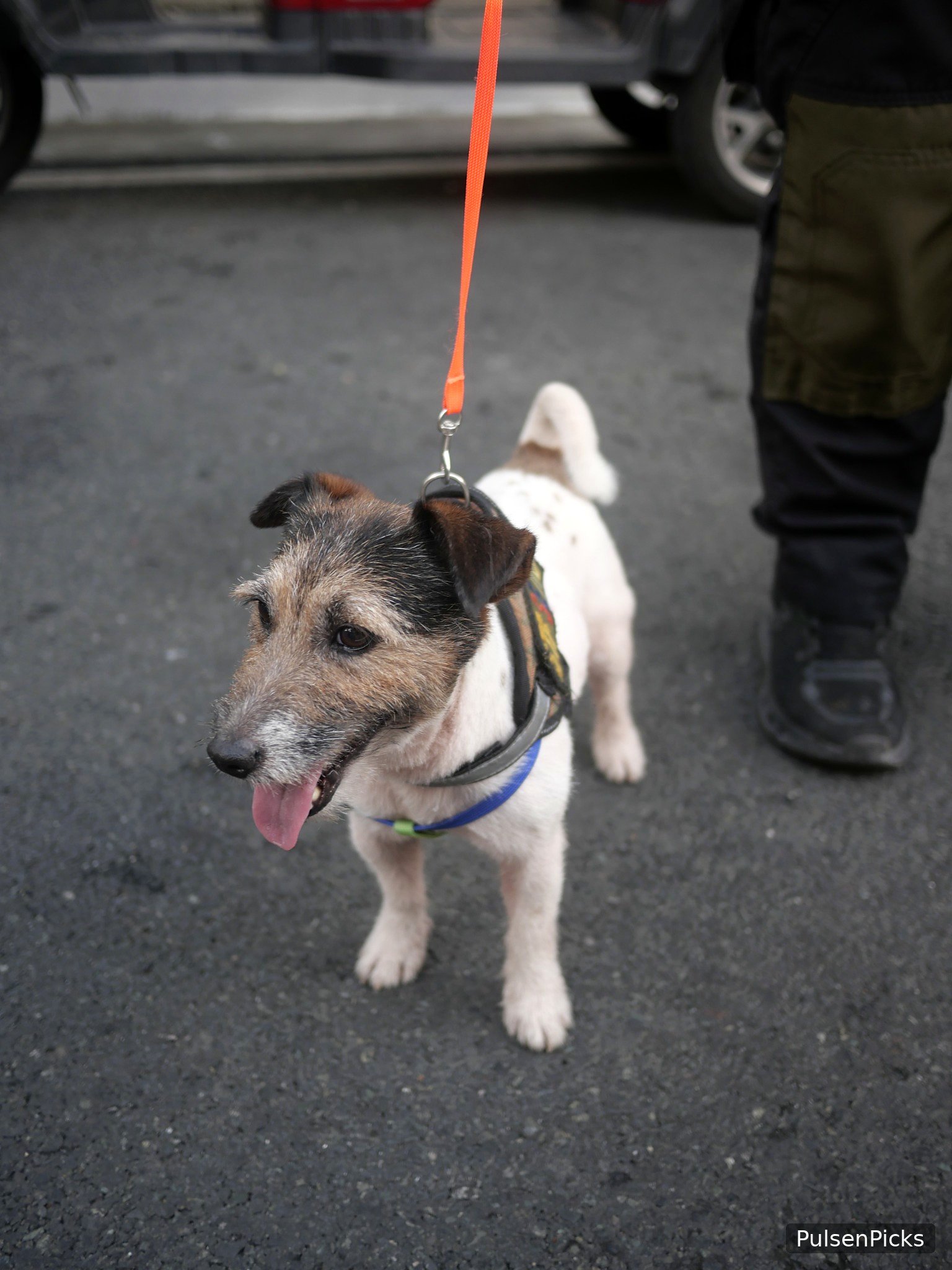
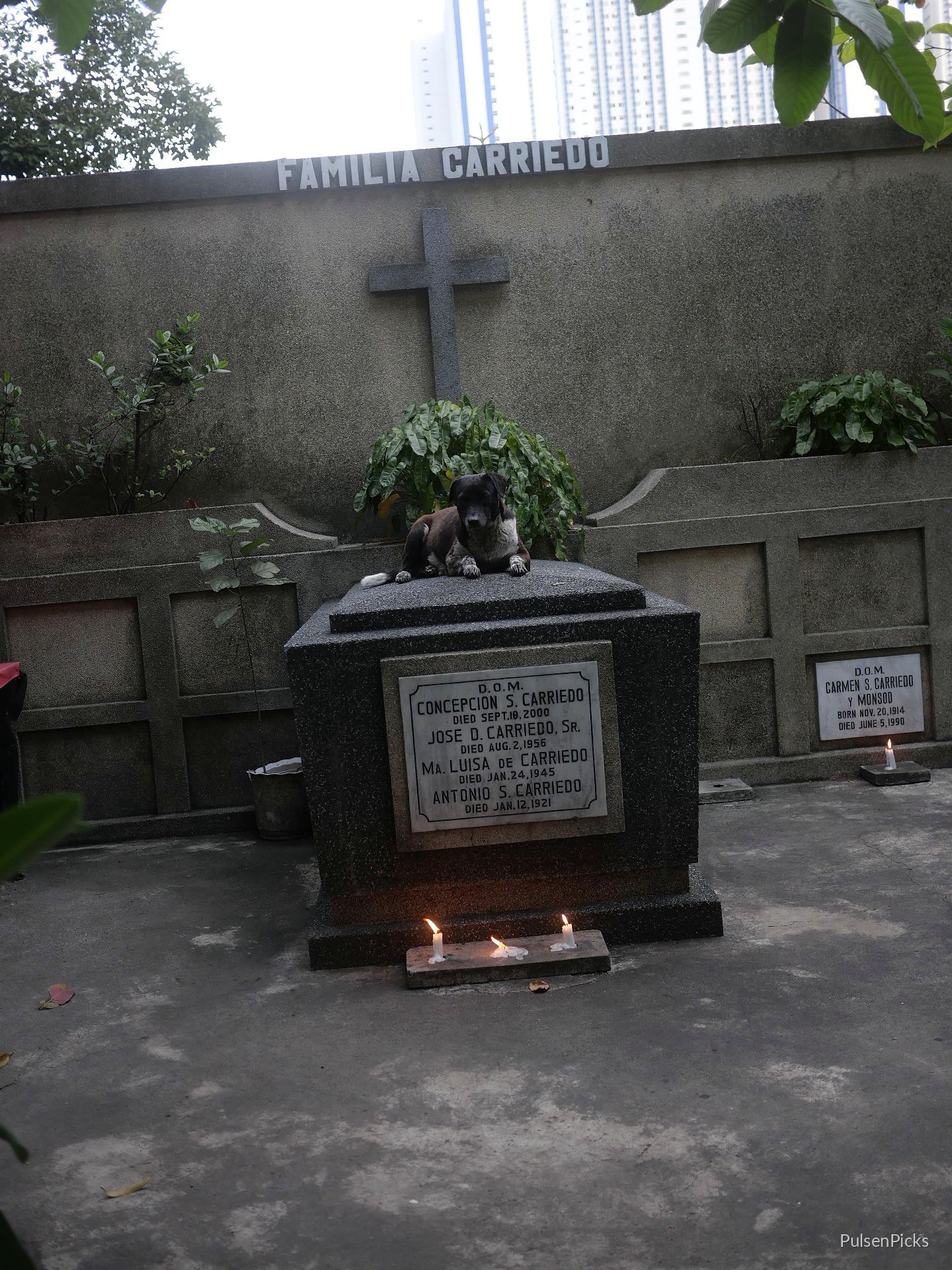
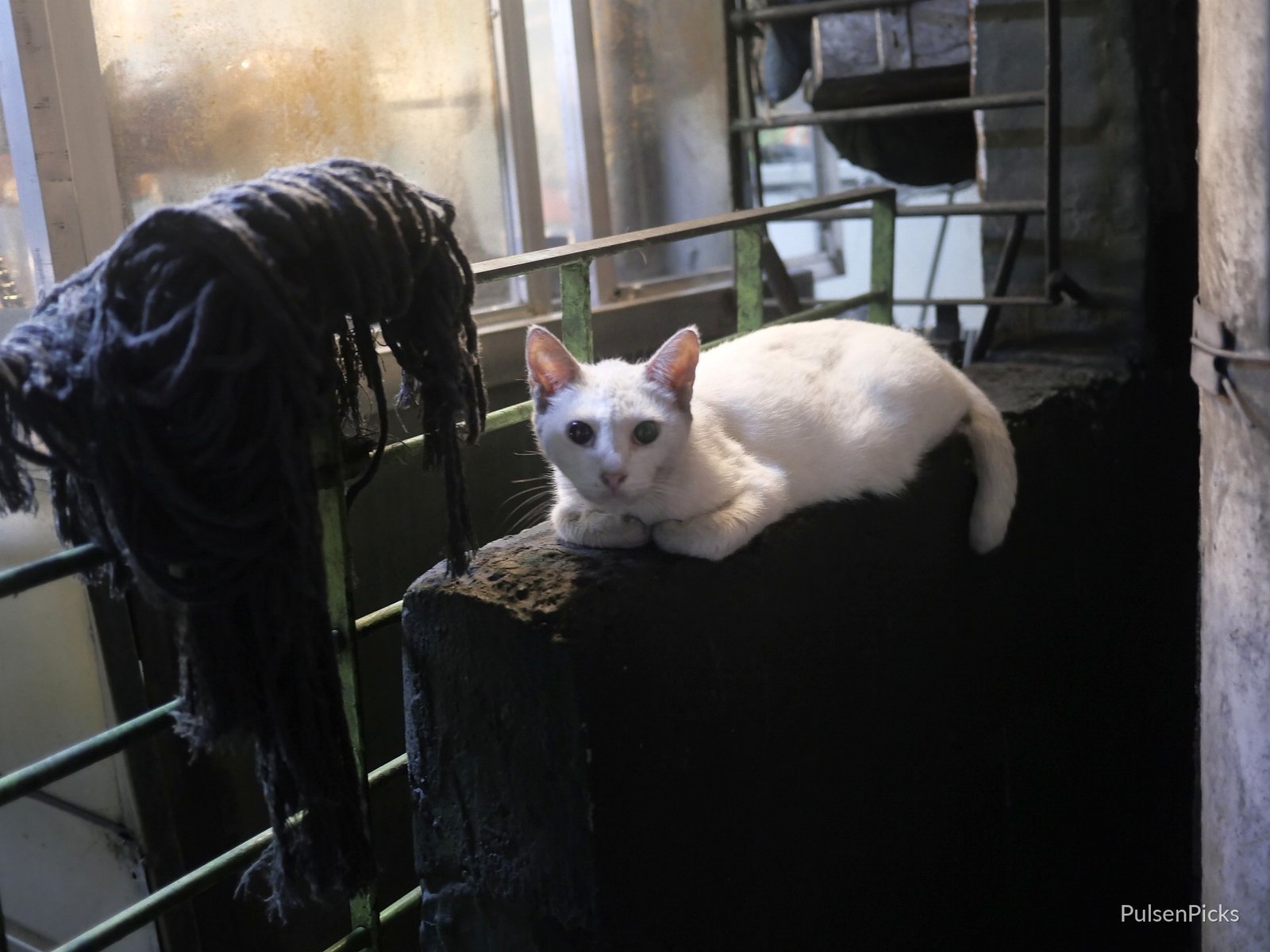
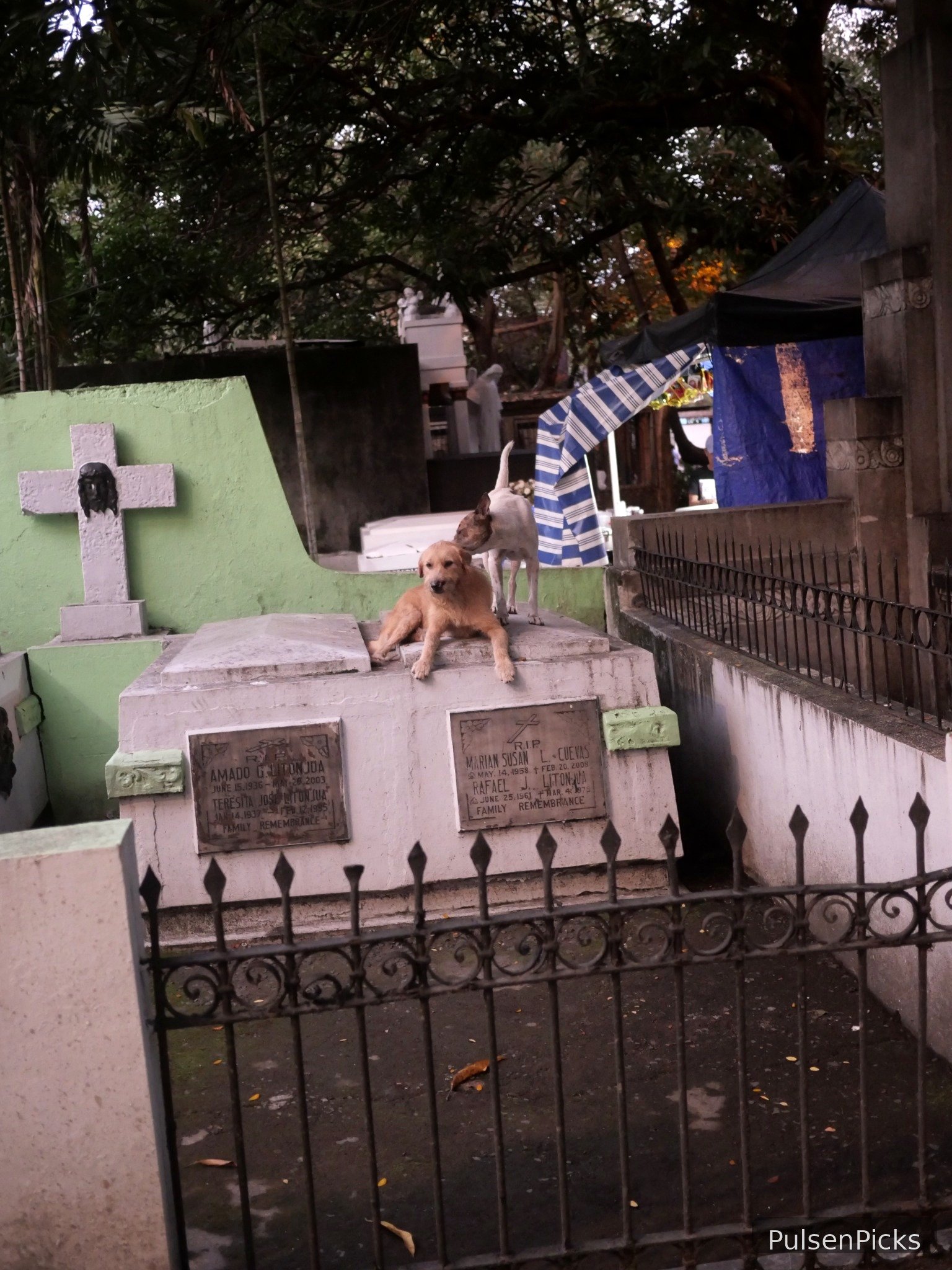
Cats wandering around, perhaps looking for something to eat. Dogs resting or walking through the grounds, seemingly unbothered by all the visitors.
There are quite a number of community cats and dogs inside the cemetery. What I particularly appreciate is how accustomed many of them are to people.
Most of the animals I encountered were rather friendly, and they didn’t appear particularly frightened by human presence.
It is a lovely thing to see.
A cemetery might seem like an unusual place to encounter so much life, but there they are, carrying on with their days while families gather to remember those who have passed away.
I always enjoy spending a little time with them, especially the cats. Feeding them may be a small gesture, but to a hungry animal, a good meal can mean quite a lot.
And if I’m already visiting the cemetery, why shouldn’t I bring something for the little residents who call the place home?
Some of the four-legged residents and visitors I encountered. Their presence adds an unexpected warmth to this place of remembrance.
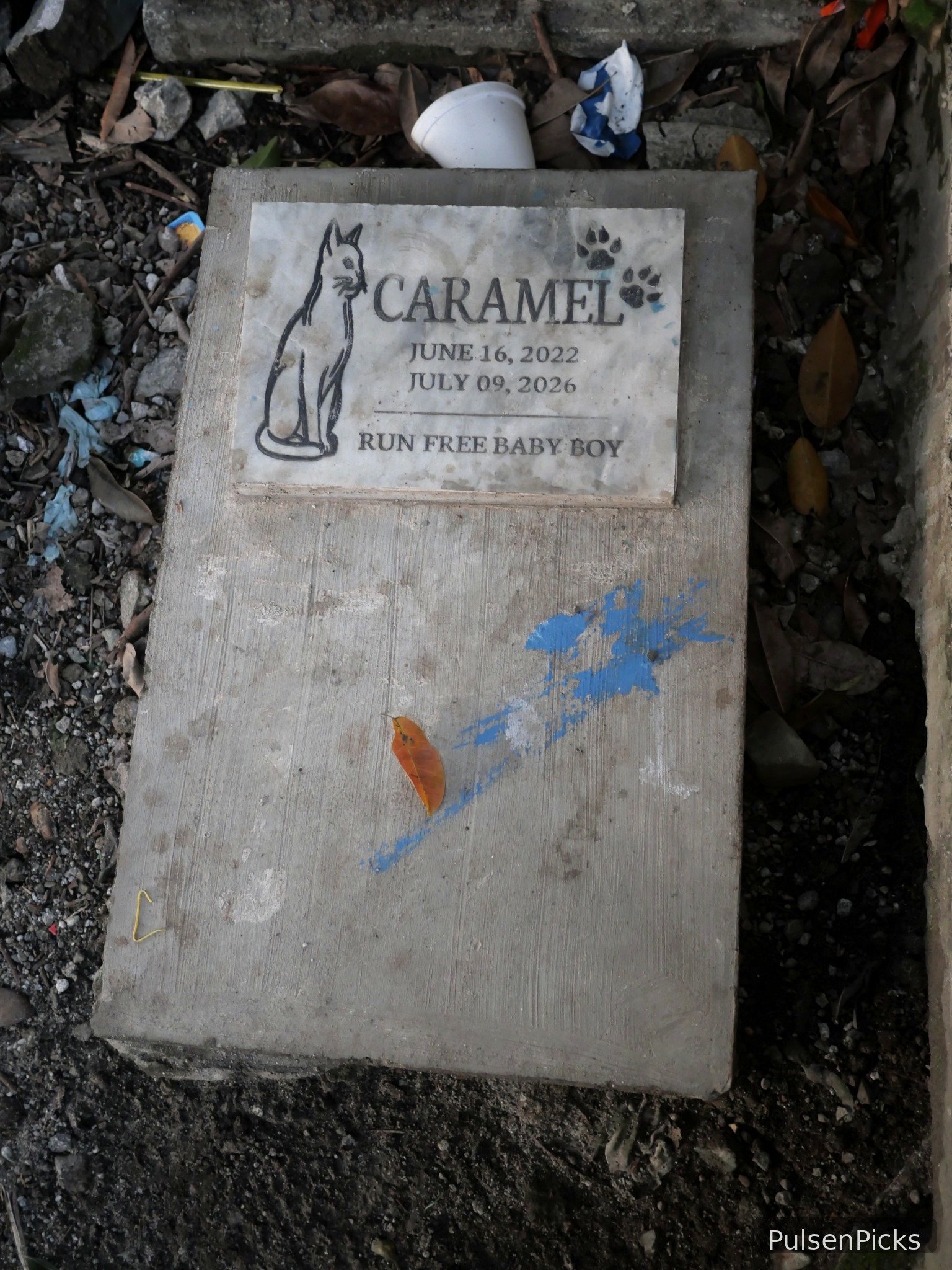
A Little Corner for Pets Who Have Crossed the Rainbow Bridge
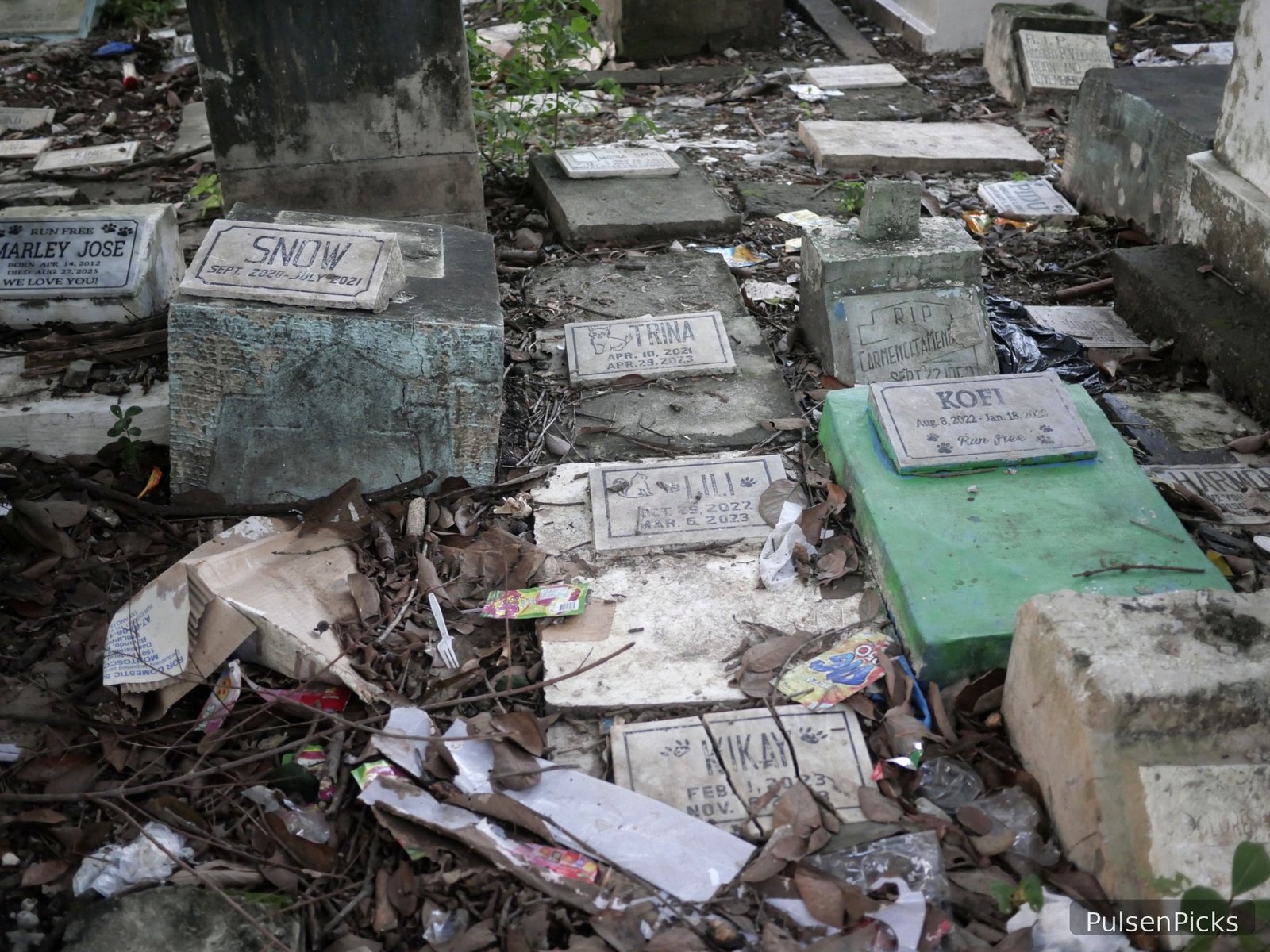
I also make a point of visiting the pet cemetery section.
This particular area always brings mixed emotions. It puts a smile on my face, but sometimes a tear in my eye as well.
There are resting places for cats, dogs, and even hamsters.
Think about that for a moment.
These were animals that somebody loved enough to give them a final resting place, somewhere they could visit and remember them.
A cat that may have spent years sleeping beside its human. A dog that probably waited by the door every afternoon. Even a little hamster that may have brought enormous happiness to a child.
To somebody else, they might have been just animals. But to the people who loved them, they were family.
And that is what I find so touching about this little part of the cemetery.
People often think about Undas as a time to remember parents, grandparents, relatives, and friends. But love doesn’t necessarily end with our own species.
We grieve for animals, too. We remember them. We miss them. And sometimes, years after they’re gone, thinking about them can still bring a smile or a tear.
Having rescued and cared for many cats myself, I understand that feeling.
Every animal has its own personality. Some are affectionate, others are stubborn. Some are incredibly playful, while others would rather spend the entire day sleeping.
And when one of them passes away, you don’t simply lose an animal. You lose a little personality that had become part of your everyday life.
That is why seeing the resting places of cats, dogs, and even hamsters gives me a certain sense of comfort.
Somebody remembered them. Somebody thought they mattered. And somebody loved them enough to make sure they would not be forgotten.
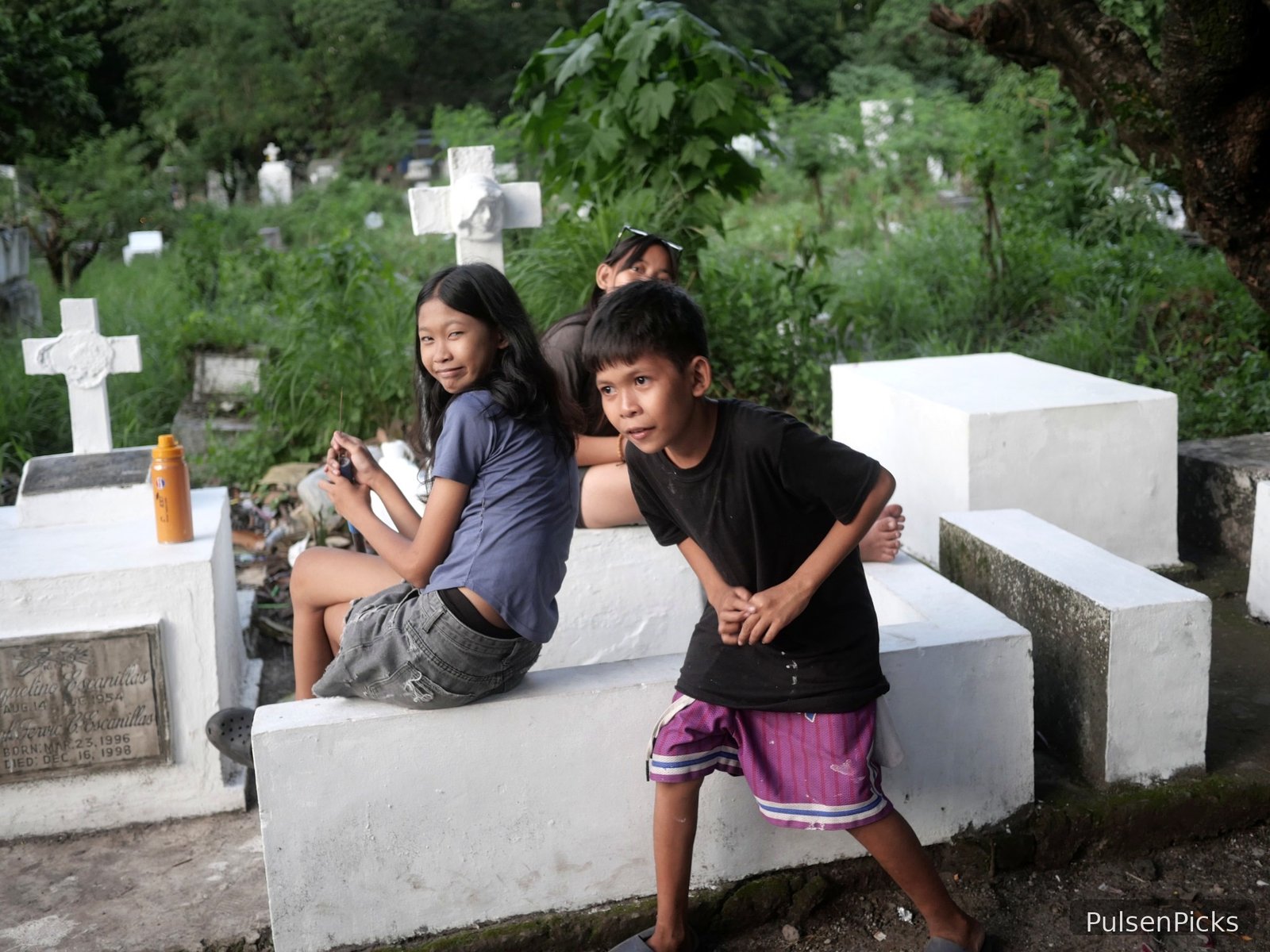
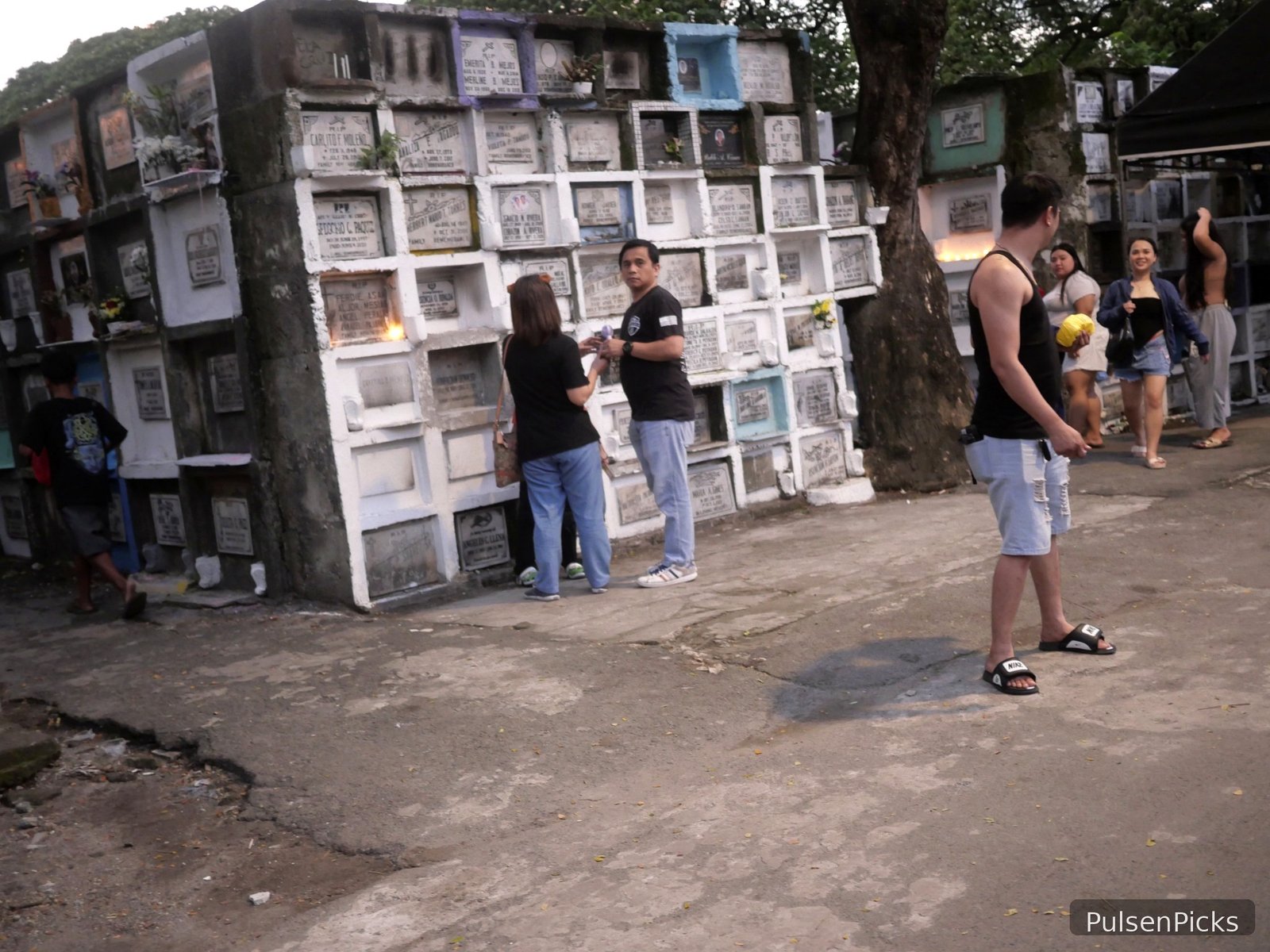
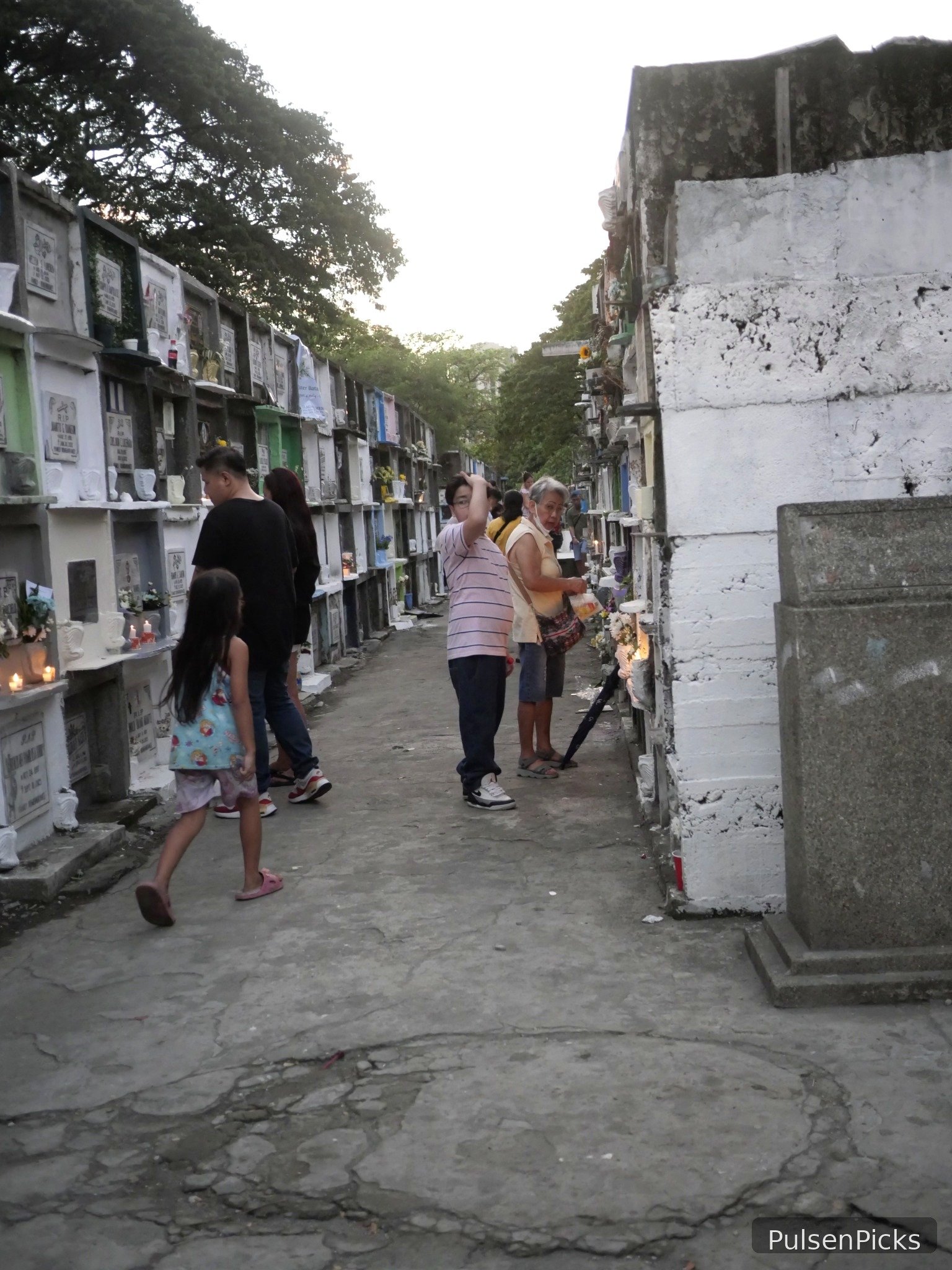
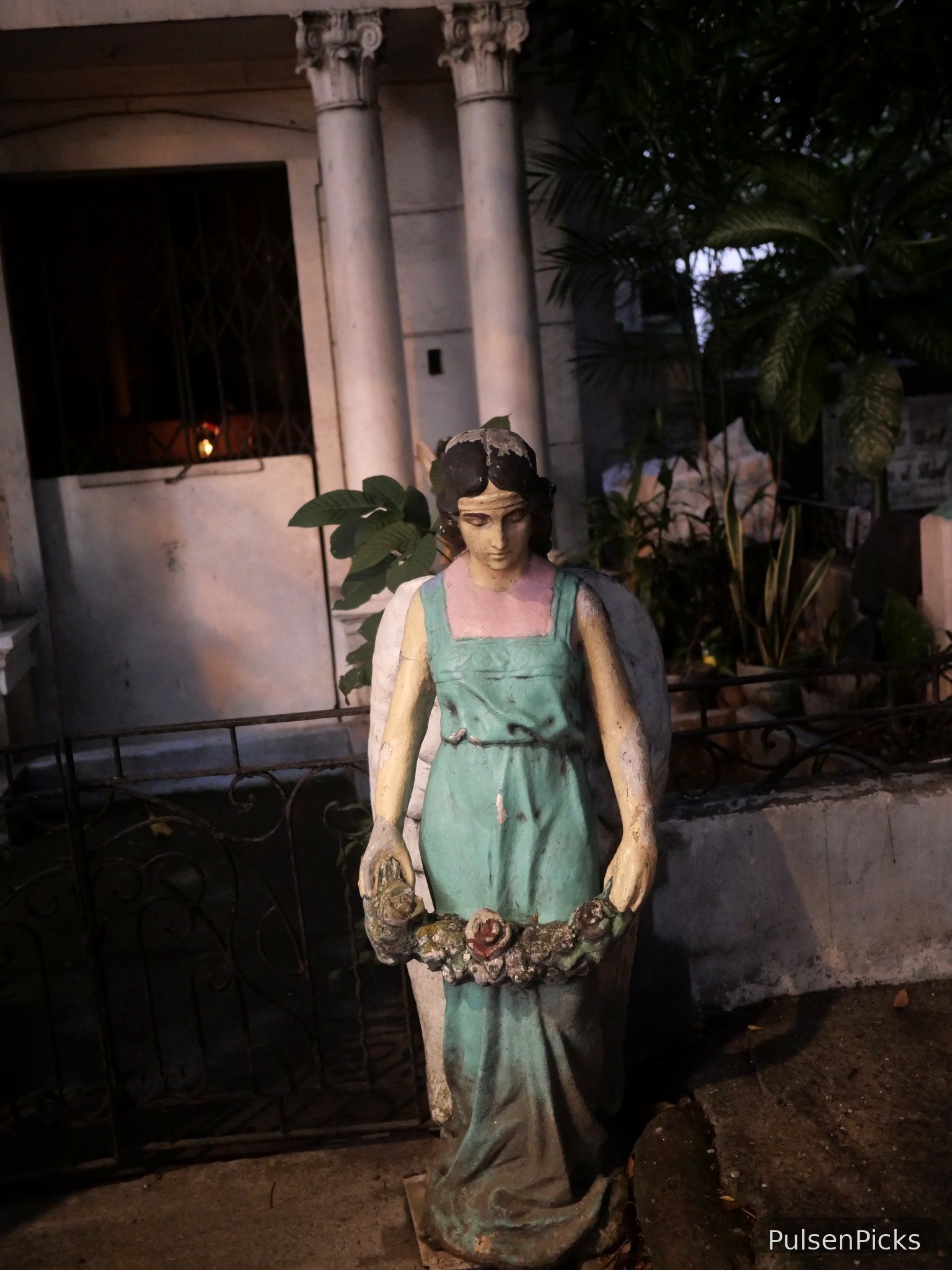
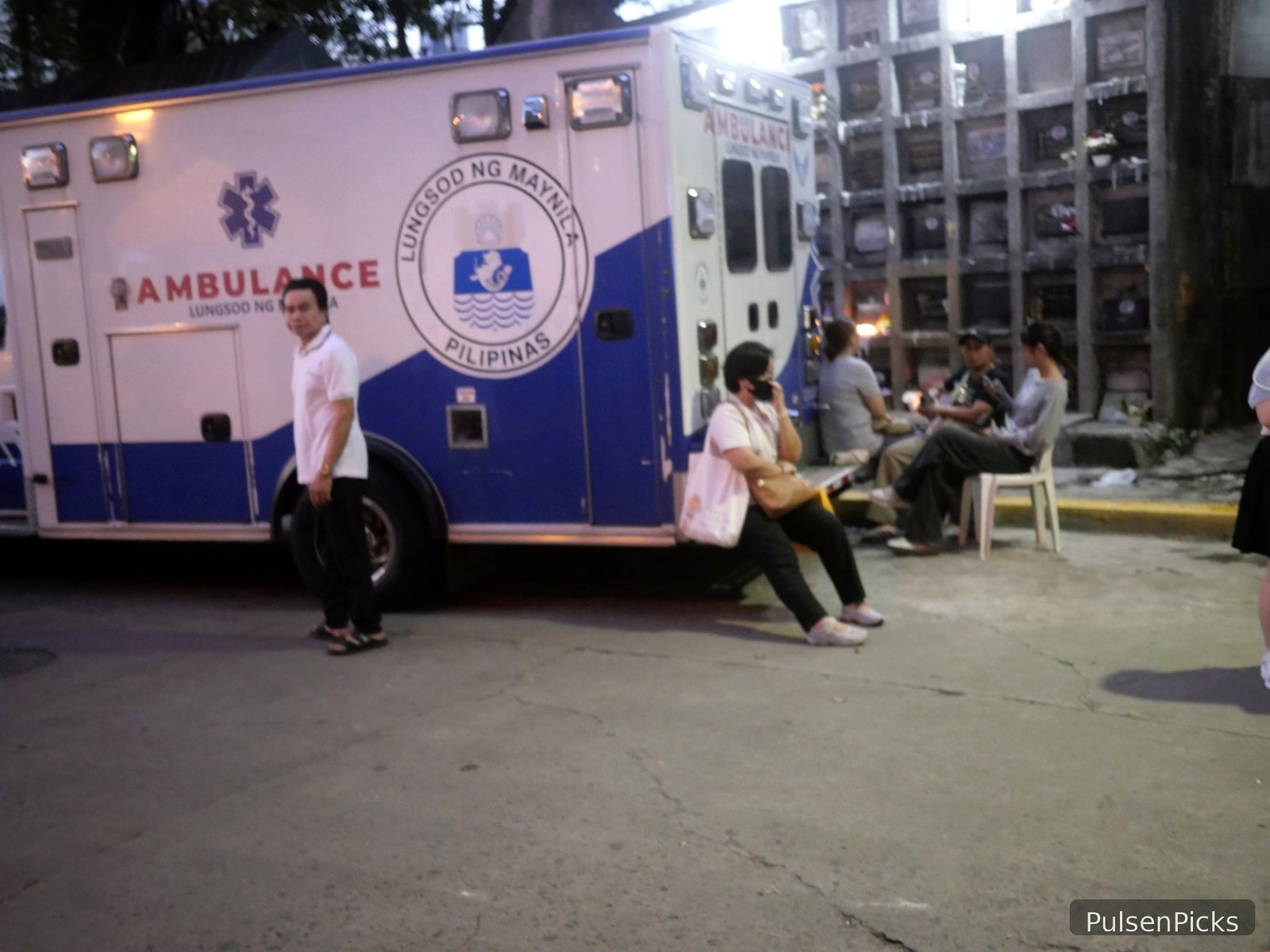
Photographs of pet memorials, family graves and the people visiting during Undas. I have kept the scenes natural, with only gentle photo adjustments.

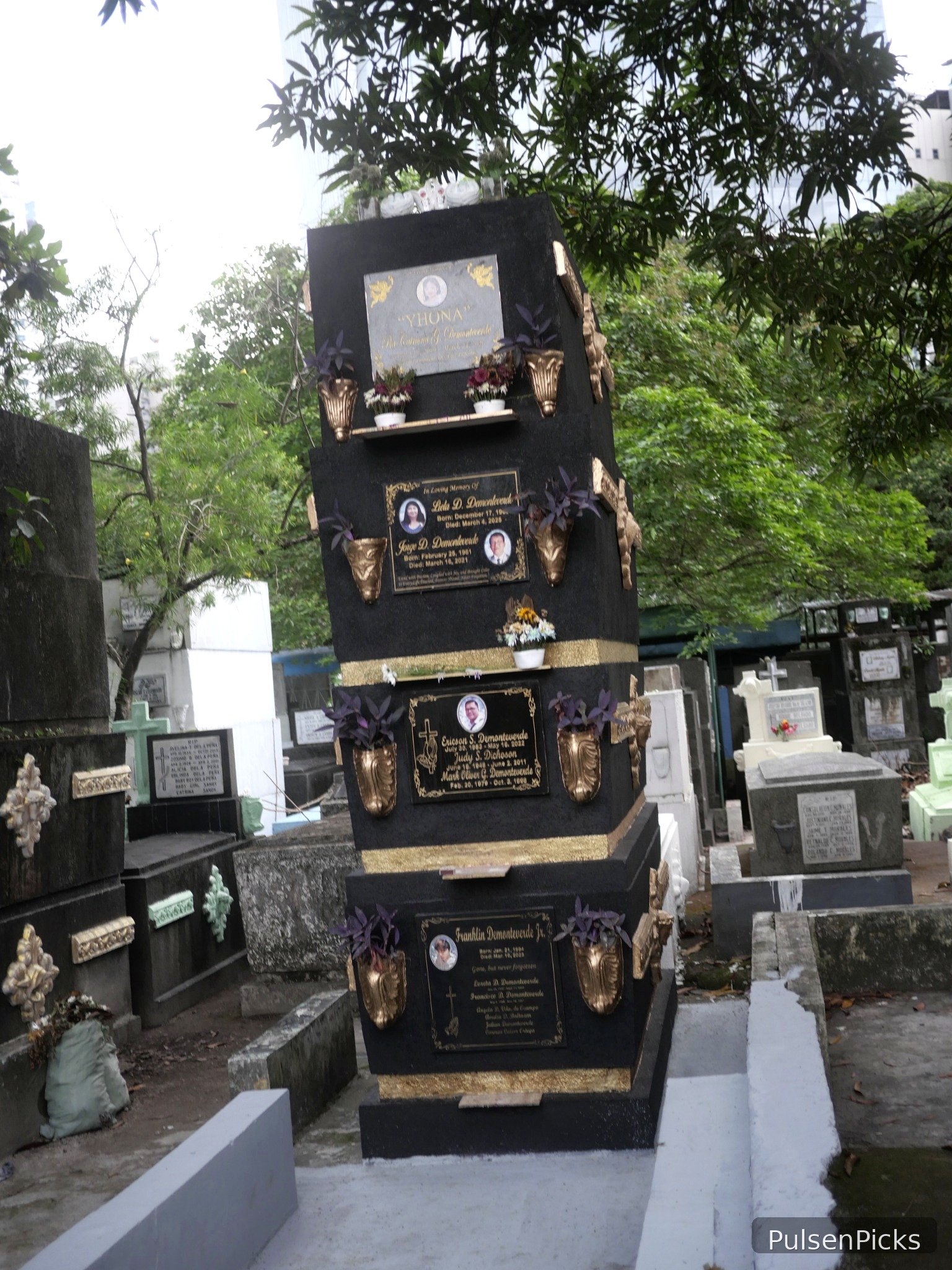
Life and Death, Side by Side
There is something poetic about feeding living cats near a place where people come to remember their dead.
On one side, there are families lighting candles and offering prayers. On another, there are community animals simply trying to get through another day.
And nearby, there are the resting places of pets that once brought happiness to their own families.
Life, death, memory, and affection all seem to exist side by side.
Perhaps that is one of the things I appreciate most about Undas.
It reminds us that life is temporary, whether we’re talking about people or animals.
What matters is how we treat one another while we’re here, and the memories we leave behind.
Photographing Undas With the Panasonic Lumix G100
For today’s little photography adventure, I brought along my Panasonic Lumix G100.
It’s a rather small Micro Four Thirds mirrorless camera, and I paired it with the good old Panasonic Lumix G 20mm f/1.7 pancake lens.
What a lovely little combination.
One thing I’ve always appreciated about Micro Four Thirds is its portability. You can have a proper interchangeable-lens camera without carrying something that feels like a brick.
With the 20mm f/1.7 attached, the G100 looks almost like a point-and-shoot camera.
And that was particularly useful today.
I was walking around a crowded cemetery, photographing the surroundings, the vendors, and the animals going about their daily activities.
A big camera with an equally big lens can sometimes attract unnecessary attention. The G100 didn’t have that problem.
People didn’t seem intimidated by it. It was small, discreet, and easy to carry around.
That’s a great advantage for casual street photography, particularly during occasions when the photographer should be an observer rather than the center of attention.
What I like most about the G100 is that it doesn’t seem to scare anyone. Some people freeze the moment a big camera comes out, but this little Lumix is so discreet that people can simply carry on with their day. And honestly, it’s so small and light that I sometimes barely notice it in my hand.
It is also quick to bring up and take a picture when something catches my eye. During Undas, with so many things happening all around me, I appreciated being able to shoot without making a production out of it. That is the kind of camera I enjoy carrying when I want to document life as it happens.
Another advantage is the Micro Four Thirds lens system. There’s a huge variety of lenses to choose from, whether I want a tiny everyday prime, something wider for the crowds, or a longer lens for distant subjects. On this outing, the Panasonic 20mm f/1.7 was a particularly nice match: compact, bright, and easy to carry all day.
I’ve included a few photographs of the G100 itself below, from the little 20mm lens on the front to the rear screen. They show why I enjoy using this setup for days like Undas.
More photographs of the gear I carried: Below are original camera-and-lens photos, lightly edited using conventional tools and bearing the PulsenPicks watermark. The G100 photos link to the camera listing; the 20mm lens photos link to the lens listing.



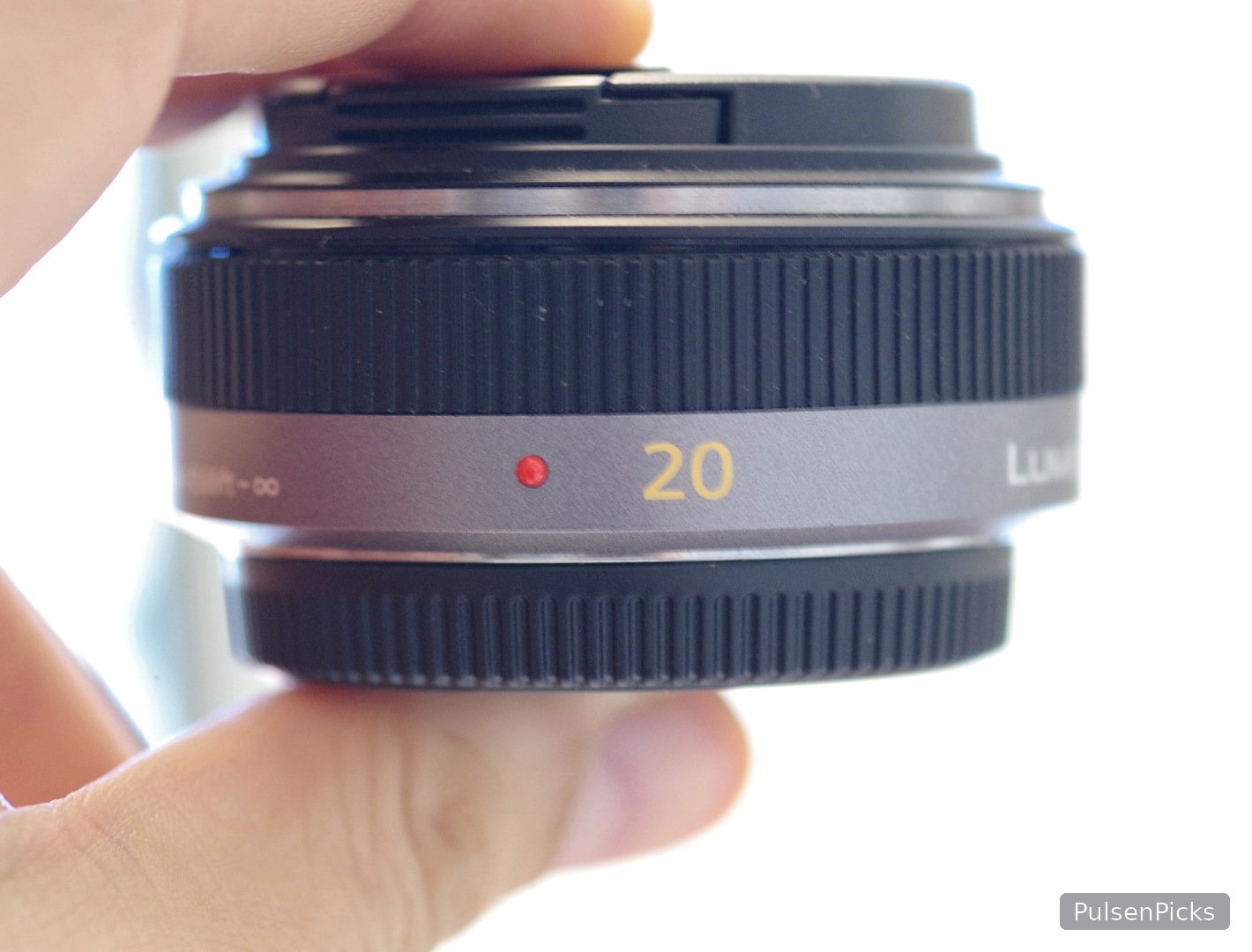





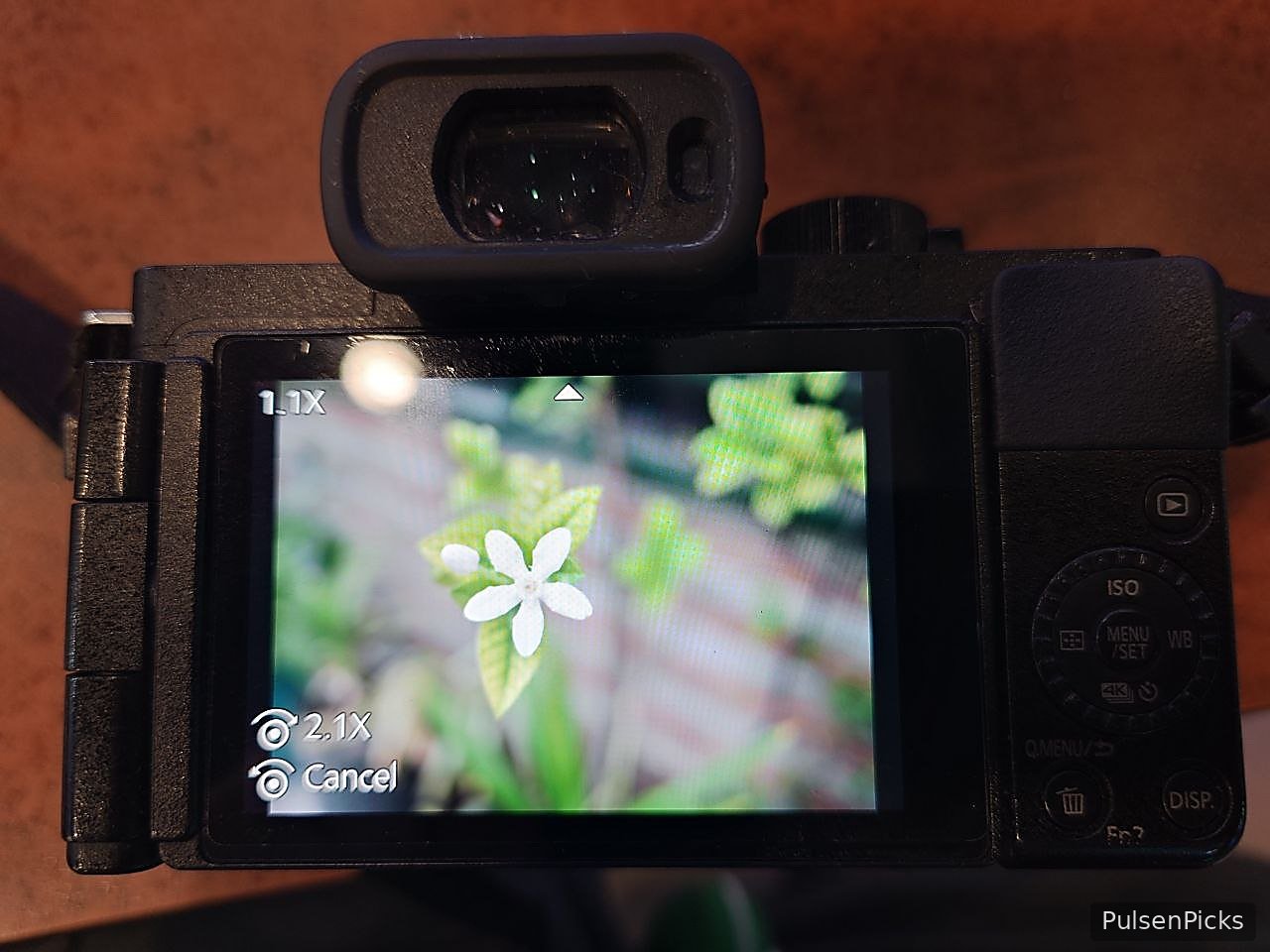
Clicking a photograph opens the Panasonic Lumix G100 camera listing on Amazon. These are affiliate links; I may earn a commission at no extra cost to you. The separate 20mm lens link remains available in the Where to Buy section.
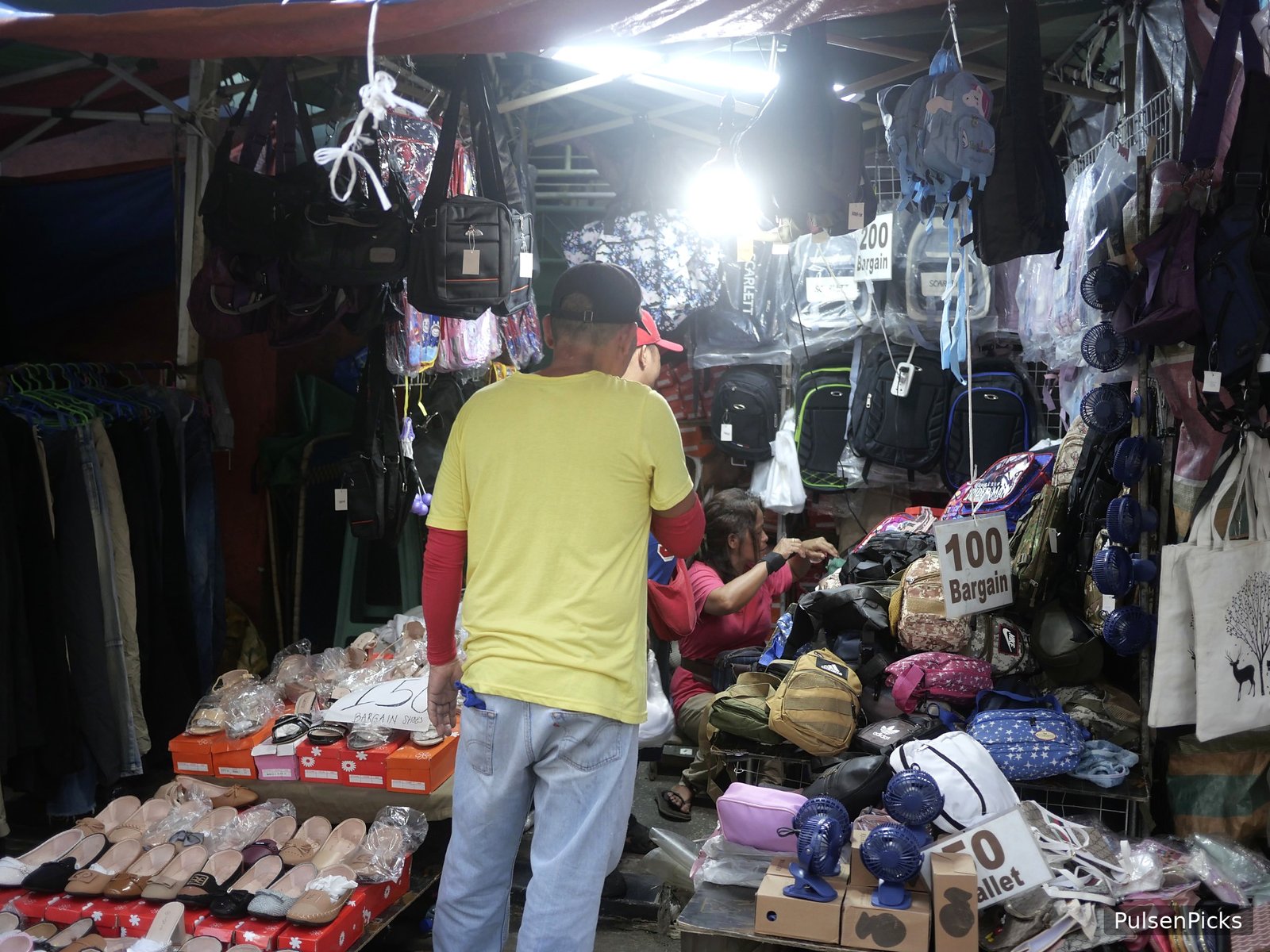
A few more sample photographs from my walk, taken with the Panasonic Lumix G100 and 20mm f/1.7 lens. Clicking a photograph takes you to the Panasonic Lumix G100 on Amazon through my affiliate link.
Panasonic Lumix G100: Camera Specifications
| Feature | Specification |
|---|---|
| Camera type | Mirrorless, interchangeable lens |
| Sensor | 20.3MP Four Thirds Live MOS |
| Lens mount | Micro Four Thirds |
| Image formats | JPEG and RAW |
| Video | Up to 4K at 30fps |
| ISO | 200–25,600 native |
| Viewfinder | 3.68-million-dot equivalent electronic viewfinder |
| Screen | 3-inch fully articulating touchscreen |
| Continuous shooting | Up to 6fps with electronic front-curtain shutter; 10fps electronic |
| Weight | Approximately 345g with battery and memory card |
| Battery | Panasonic DMW-BLG10, 1,025mAh |
| Rated battery life | Approximately 270 shots using the rear monitor (standardized testing) |
These specifications make the G100 a rather capable little photographic companion, even though Panasonic originally promoted it heavily toward vloggers.
For me, photography is where its compact body really shines.
The Good Old Panasonic 20mm f/1.7 Pancake Lens
This is one of those lenses that reminds me why Micro Four Thirds remains such an enjoyable system.
At 20mm, it provides a 40mm full-frame equivalent field of view. That’s a useful perspective for street photography, sitting somewhere between the familiar 35mm and 50mm looks.
You get a reasonably natural view without needing to stand too far away from your subject.
| Feature | Specification |
|---|---|
| Focal length | 20mm |
| Full-frame equivalent | 40mm |
| Maximum aperture | f/1.7 |
| Minimum aperture | f/16 |
| Lens construction | 7 elements in 5 groups |
| Aspherical elements | 2 |
| Aperture blades | 7 |
| Minimum focus distance | 20cm |
| Filter thread | 46mm |
| Optical stabilization | None |
| Weight | Approximately 100g for the original; 87g for Version II |
The f/1.7 aperture is another big advantage. It allows plenty of light into the camera and gives you some control over background blur.
For photographing people, street vendors, decorations, and little details around the cemetery, it was a very pleasant focal length to work with.
The focusing worked excellently for what I was doing today, and the G100 responded quickly enough for the photographs I wanted to capture.
The older 20mm lens design isn’t famous for the fastest autofocus motors, particularly compared with newer lenses, but that didn’t stop me from enjoying it.
The whole combination just felt right. Small camera. Small lens. Good image quality. No unnecessary bulk.
Sometimes that’s all you really need.
Camera and Lens: Where to Buy
Affiliate disclosure: The following are affiliate links. I may earn a commission from qualifying purchases at no additional cost to you. These links help support my work and animal rescue efforts.
- Panasonic Lumix G100 camera: Check it on Amazon
- Panasonic Lumix G 20mm f/1.7 lens: Check it on Amazon
- Panasonic Lumix G 20mm f/1.7 lens: Check it on Shopee Philippines
- Panasonic Lumix G 20mm f/1.7 lens: Check it on Lazada Philippines
Check the exact camera and lens variant, price and availability on the retailer’s listing before ordering.
The One Thing That Annoyed Me: Battery Life
Now for something I don’t particularly like about the Panasonic G100.
The battery.
After using the camera for a while, I noticed the battery indicator dropping from four bars to just one.
That’s quite an unpleasant surprise when you’re enjoying your photography.
The G100 uses the Panasonic DMW-BLG10 battery, a relatively small 1,025mAh lithium-ion pack.
Panasonic rates the camera at approximately 270 photographs per charge under standardized testing conditions, although actual results depend on how you use the camera.
I haven’t conducted a proper timed battery endurance test on this particular outing, so I won’t claim an exact number of photographs before it needs recharging.
Still, that battery indicator dropping so dramatically was something I noticed.
When you’re photographing an occasion like Undas, you don’t necessarily know when the next interesting moment will happen.
It might be an elderly person quietly sitting beside a grave. It might be children laughing together, a vendor selling something unusual, or a friendly cemetery cat coming over to investigate what you’re doing.
You don’t want to be worrying about your battery in the middle of all that.
For longer photography walks, I’d definitely recommend carrying a spare.
A Small Camera for a Very Human Occasion
By the end of my visit, I was reminded of two things.
First, you don’t always need expensive or enormous equipment to enjoy photography. The Panasonic G100 and 20mm f/1.7 made an excellent little combination for walking around and documenting the occasion.
The portability was wonderful, the lens was useful, and the camera allowed me to concentrate on what was happening around me.
Second, and perhaps more importantly, Undas is a beautiful reminder that our relationships do not simply disappear when someone dies.
The person may no longer be there to laugh with us, argue with us, or share a meal, but the memories remain.
And the same is true of the animals who once shared our homes.
I found myself smiling at the friendly community cats and dogs wandering through the cemetery, then feeling a little sadness when visiting the resting places of pets that were clearly loved.
It reminded me how much happiness a relatively small creature can bring into someone’s life.
Outside the cemetery, there are food stalls, toys, bedsheets, and all sorts of things being sold. Inside, there are flowers, candles, prayers, laughter, and sometimes tears.
It is a fiesta of memories, where the guests of honor are no longer with us, yet somehow remain part of the gathering.
And among all those memories are the little paw prints of animals who were loved, too.
Perhaps that is the most beautiful thing I photographed today.
Not death itself, but the way life continues to remember.
Photographed with the Panasonic Lumix G100 and Panasonic Lumix G 20mm f/1.7 lens at Manila South Cemetery, October 31, 2026. Photographs have received only light tonal and sharpness adjustments and a PulsenPicks watermark.
More photography from PulsenPicks: I also took a much smaller camera through Binondo; see my Pentax Q10 hands-on review and original sample photographs. For another older camera I still appreciate, read my Sony A77 II review.
PulseNPicks — Connecting Southeast Asia with West Asia.